Have you ever wondered how you can help cows beyond donating fodder?” How to support gau seva” is an important question for anyone who wants to improve cow welfare in a practical and responsible way. You can help by supporting veterinary care, keeping shelters clean, volunteering your time, and helping gaushalas manage their daily needs. Small, thoughtful actions can make a real difference when you offer them consistently.
Why Is Responsible Gau Seva Important?
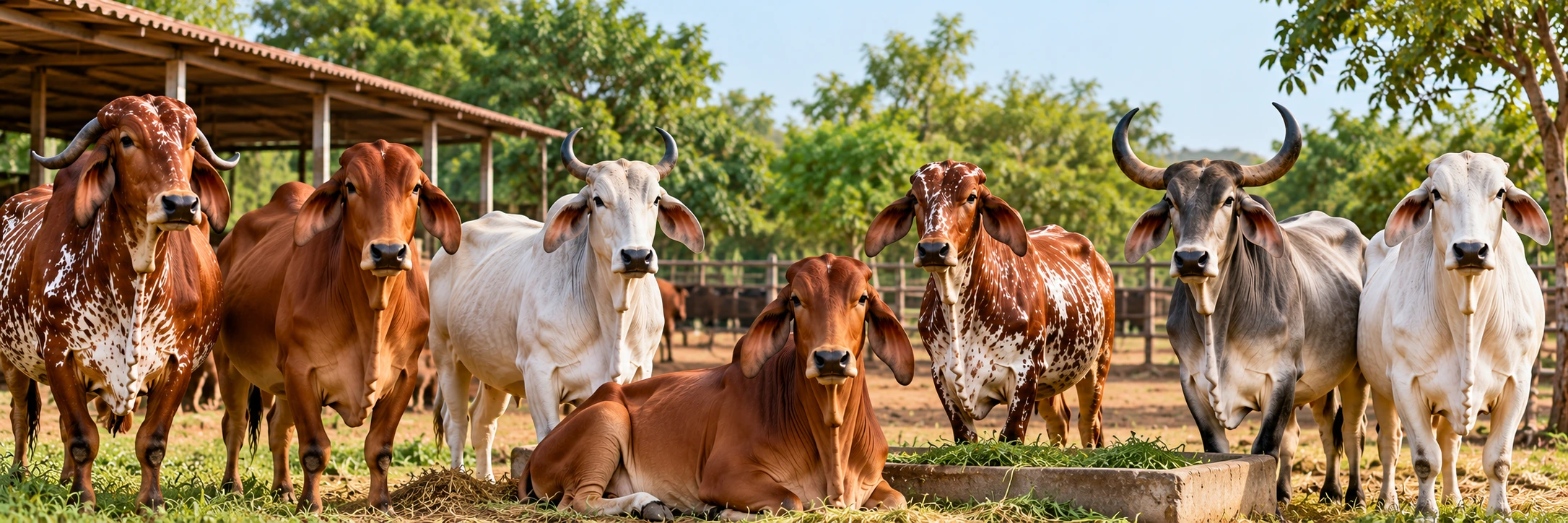
Gau seva means caring for cows and supporting their well-being. However, proper care involves much more than feeding them. Cows also need clean drinking water, safe shelter, medical attention, enough space, and regular monitoring.
Before offering help, understand what a gaushala needs most. One shelter may need medicines, while another may need help repairing its roof or cleaning its living areas. Asking questions before donating helps you provide useful support instead of adding to resources the shelter already has.
How to Support Gau Seva Beyond Donating Fodder
Here are practical ways to contribute to cow welfare without limiting your efforts to food donations.
1. Support Veterinary Care
Can you help a Gaushala provide better medical care? Veterinary support is one of the most useful ways to help. Cows may need routine health checks, vaccinations, treatment for injuries, and care during pregnancy or illness.
You can contribute towards veterinary expenses or help arrange visits from qualified veterinarians. Always consult trained professionals instead of giving medicines or home remedies on your own.
Ask the shelter which medical services it needs and whether it accepts direct payments for veterinary treatment. This approach helps ensure that your contribution meets an actual need.
2. Volunteer Your Time
Not every contribution requires money. You can volunteer at a gaushala if the management permits it.
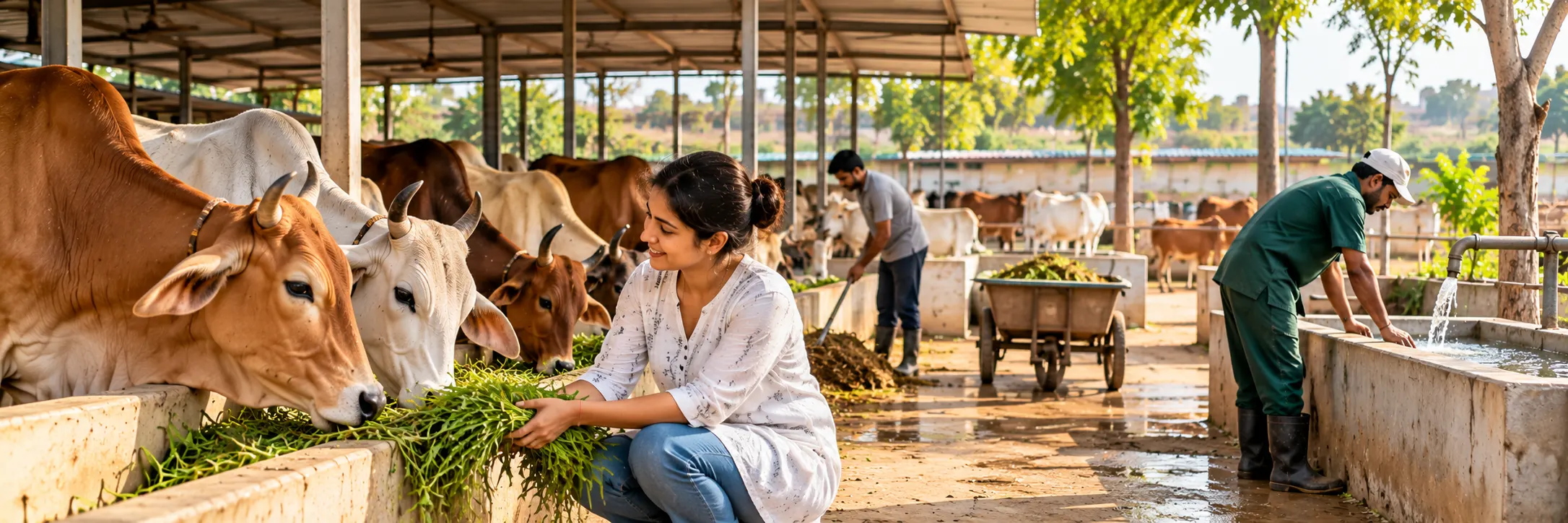
Your tasks may include cleaning feeding areas, washing water containers, organising supplies, or helping staff maintain records. You can also assist with approved activities that improve the comfort and safety of the animals.
If you are exploring how to support gau seva with limited funds, regular volunteering can be a practical starting point. Follow the shelter’s safety rules and never handle sick, injured, or distressed animals without proper guidance.
3. Help Improve Shelter Conditions
Cows need protection from extreme heat, heavy rain, cold winds, and unsafe surroundings. A clean, well-maintained shelter supports their comfort and health.
You can contribute towards repairing roofs, improving drainage, fixing broken fences, or creating shaded resting areas. Ask the management to identify urgent repairs before purchasing materials.
Good drainage also prevents water from collecting around resting areas. Clean, dry spaces make daily care easier and can reduce some health risks.
4. Provide Clean Drinking Water
Clean water is essential for cows throughout the year. Water needs can increase during hot weather, depending on the animal’s size, diet, health, and activity.
Ask whether the shelter has enough water containers and a reliable supply. You could help repair leaking taps, clean water troughs, or support a safe water storage system.
Check that containers remain clean and that staff refill them regularly. Avoid installing equipment without permission or checking whether the shelter can maintain it.
5. Donate Useful Supplies
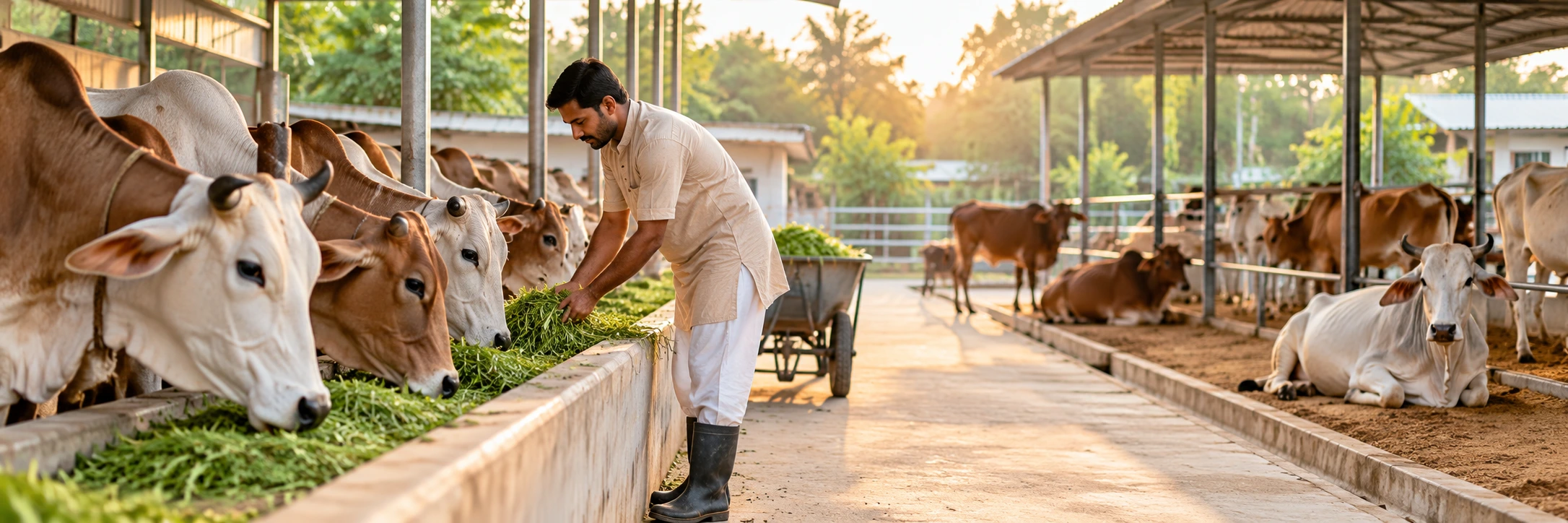
Fodder is important, but shelters may also need cleaning materials, bedding supplies, buckets, brushes, or basic equipment.
Before buying anything, request a list of current needs. Confirm the quantity, quality, and type of items the shelter can use.
This is another practical answer to how to support gau seva. Useful donations reduce waste and help staff manage daily work more effectively.
6. Share Your Skills
Do you have skills in accounting, photography, writing, administration, or digital communication? You can use them to help a gaushala operate better.
For example, you could organise donation records, prepare simple reports, or create clear information about the shelter’s needs. Better records can help management track spending and plan future expenses.
Liger Nexxus Foundation can be considered when exploring opportunities to contribute to animal welfare initiatives. Before participating, confirm the organisation’s current activities, requirements, and available volunteering options directly.
7. Check How Donations Are Used
Responsible giving means understanding where your money goes. Ask for basic information about the shelter’s activities, animal care arrangements, and use of donations.
Look for clear records, reasonable explanations of expenses, and a willingness to answer questions. Where possible, request receipts for financial contributions.
When considering how to support gau seva, avoid sending money to unverified accounts or relying only on emotional messages. Verify the recipient before making a donation.
What Should You Avoid When Supporting Gau Seva?
Avoid giving unsuitable food, expired medicines, or unfamiliar supplements without professional approval. Do not feed cows plastic-wrapped leftovers or allow waste to collect near feeding areas.
Never enter restricted areas or approach frightened animals without permission. Also, avoid making promises of regular financial support unless you can maintain them.
Responsible how to support gau seva practices focus on the animals’ actual needs, safe handling, and long-term care rather than one-time gestures alone.
FAQs
Q1. Can I support gau seva without donating money?
Yes. You can volunteer, help clean approved areas, organise supplies, or contribute useful professional skills.
Q2. Is donating fodder enough to support cows?
Fodder helps meet nutritional needs, but cows also require clean water, suitable shelter, hygiene, and veterinary care.
Q3. What supplies can I donate to a gaushala?
Ask the shelter first. It may need buckets, cleaning materials, bedding supplies, or approved care equipment.
Q4. How can I check whether a gaushala is trustworthy?
Visit when possible, ask about animal care, review available records, and request clear information about donations.
Q5. Can children participate in gau seva?
Yes, with adult supervision and the shelter’s permission. Children can help with safe tasks, such as organising approved supplies, without handling animals independently.
Conclusion
Supporting gau seva responsibly means helping cows receive proper food, clean water, medical care, safe shelter, and consistent attention. You can contribute through volunteering, useful supplies, professional skills, and transparent donations.
If you are deciding how to support gau seva, start by asking a trusted shelter what it needs most. You can also explore Liger Nexxus Foundation to learn about its relevant initiatives and possible ways to contribute. Thoughtful, regular support can help improve animal welfare over time.