LIGER NEXXUS FOUNDATION

DevPoorti Gau Gram: A Cow-Based Model Village

Representative Image

What if caring for indigenous cows could also support farming, clean energy and village livelihoods?

That’s the idea behind DevPoorti Gau Gram, Liger Nexxus Foundation’s vision for a cow-based model village. The four-acre campus brings together a Gau Shala, natural farming, dairy processing, biogas and bio-fertilizer, training spaces, and community facilities.

The aim is to build a rural ecosystem where these activities support one another, and where the care of indigenous cattle remains at the centre.


About DevPoorti Gau Gram: More Than a Gau Shala

Gau Shala is where cows are taken care of and sheltered. Gau Gram helps to integrate the care of cows in the lives of villagers. The DevPoorti Gau Gram is an example where cows are connected with something bigger. Fodder cultivation can provide for animal husbandry. Gobar can be utilized for making compost, bio-fertilizer, or biogas. The dairy units will help in value addition from milk. Such integrations require thoughtful planning and continuous effort. They need healthy animals, appropriate infrastructure, capable manpower, and activities suitable to local conditions.

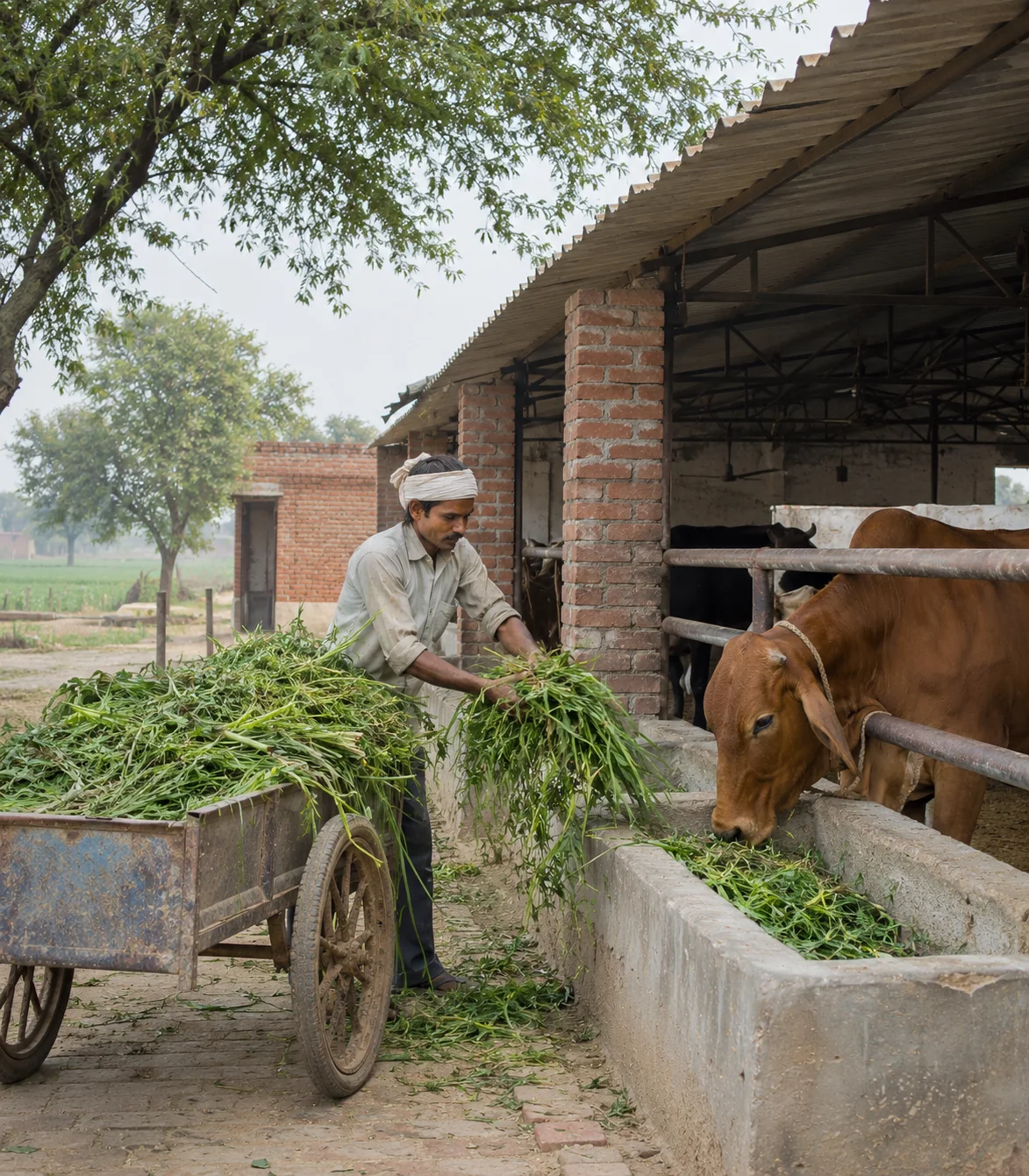
Caretaker unloading fresh green fodder beside a cattle shed
Representative Image

Indigenous Cattle Care and Gau Shala Facilities

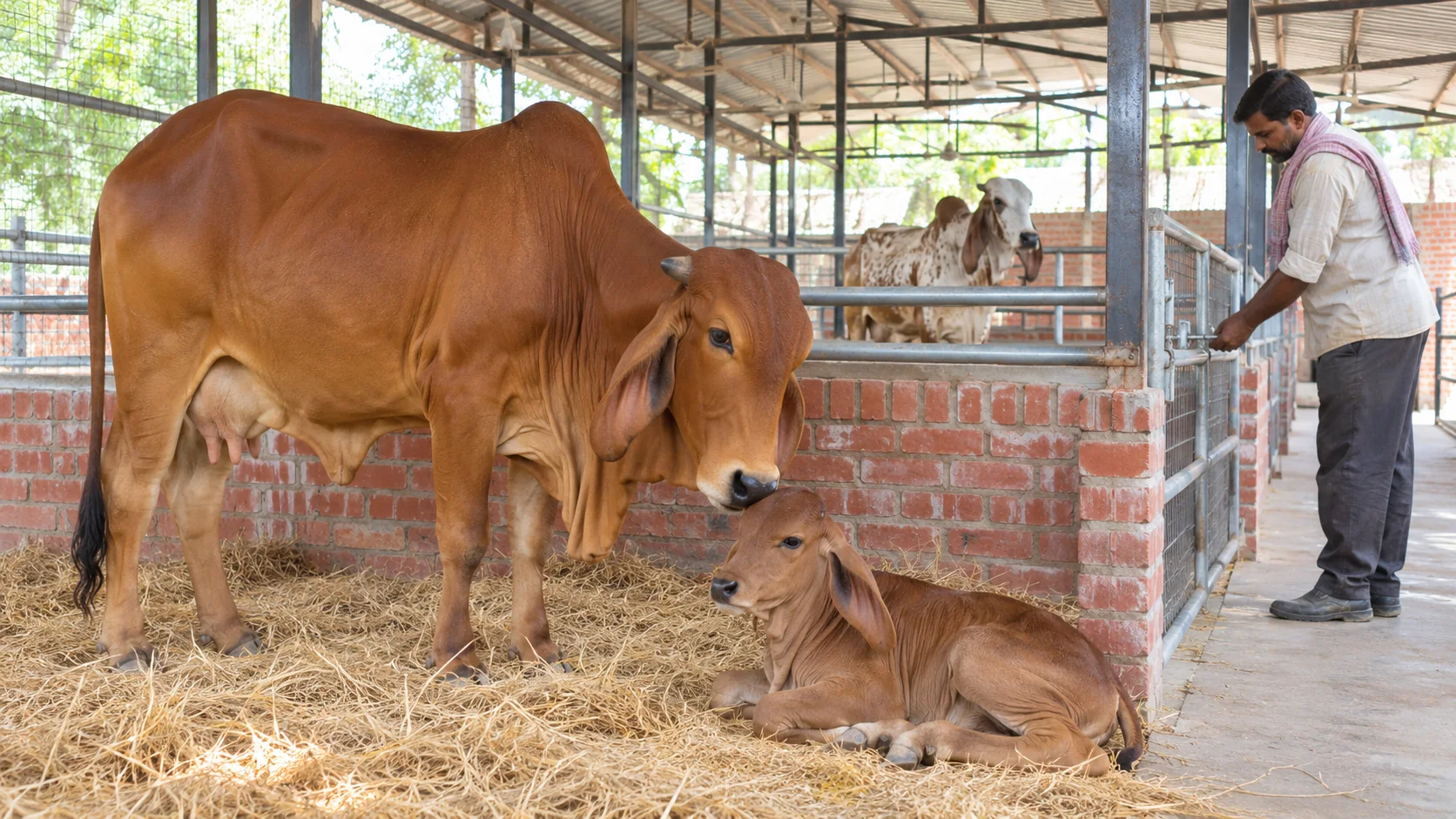
Sahiwal cow standing beside her calf resting on straw in a Gau Shala pen
Representative Image

The Gau Shala is designed for up to 100 cows as it grows. The campus includes a main cow shed, a bull pen, and separate spaces for calves, heifers, maternity care, sick or isolated animals, and quarantine. Together, these facilities form an integrated gau shala model.

A large paddock gives cows room to move, rest, and exercise. Fodder storage and a silage pit support feed planning, while green fodder cultivation brings part of that work onto the campus.

Good care depends on more than buildings. Cows need appropriate feed, clean water, veterinary attention, hygienic surroundings, and caregivers who understand their needs. These daily responsibilities are the foundation of the Gau Gram.


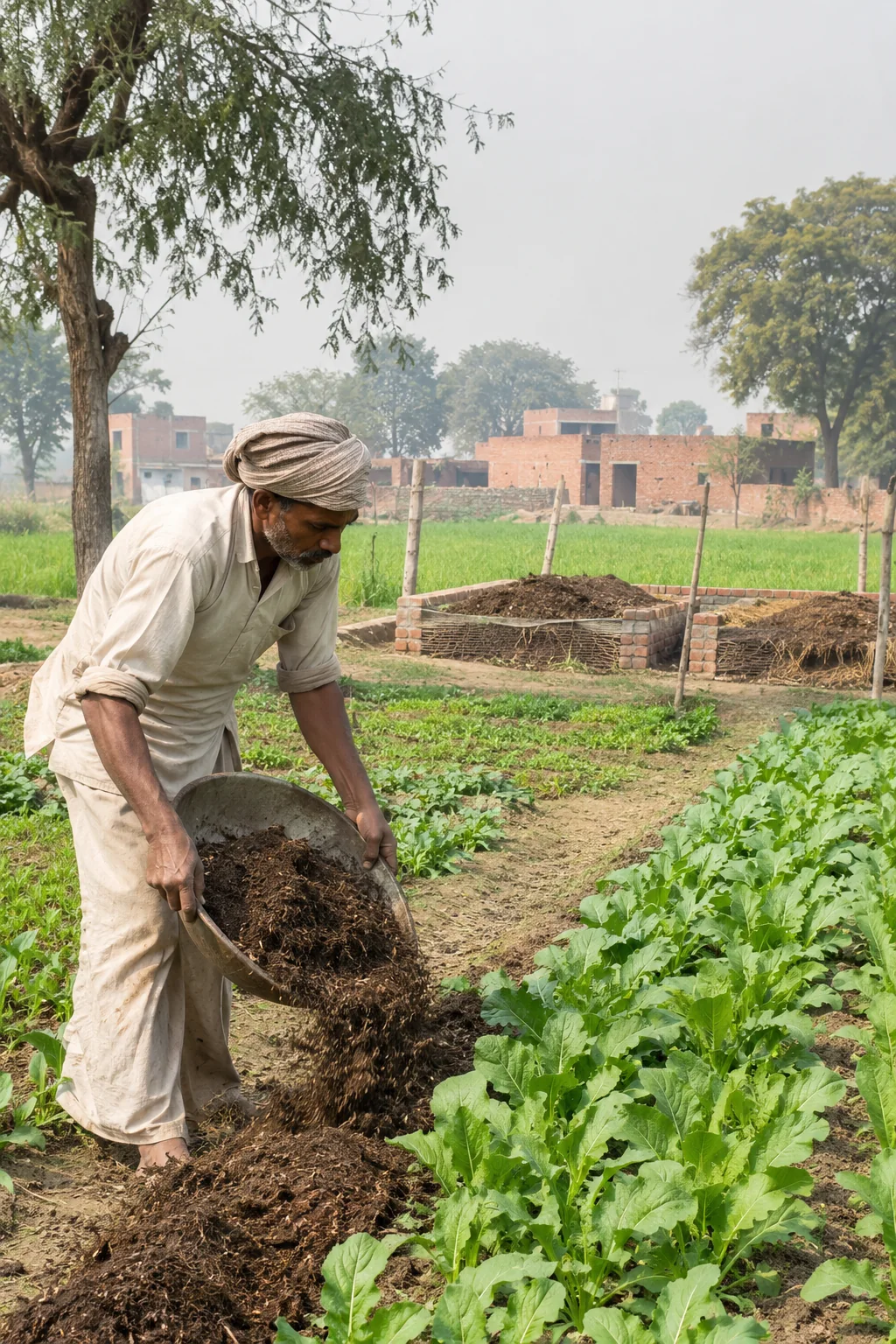
Farmer spreading compost beside rows of leafy vegetables
Representative Image

Farming that makes use of local resources

DevPoorti cow-based model village includes demonstration areas of organic farming, organic kitchen garden, and herbal and medicinal plant garden. All this can help to have hands-on practice and to understand the way of adapting farming practices to local soil and water conditions and crops.

Another resource available is gobar. It can be composted or used as bio-fertilizer or in the process of making biogas. Moreover, there is a vermicompost and composting facility at the campus. The way of their use depends on the availability of resources, equipment, and manpower.

The aim is to establish a practical connection between animal husbandry and farming.


Dairy and value addition

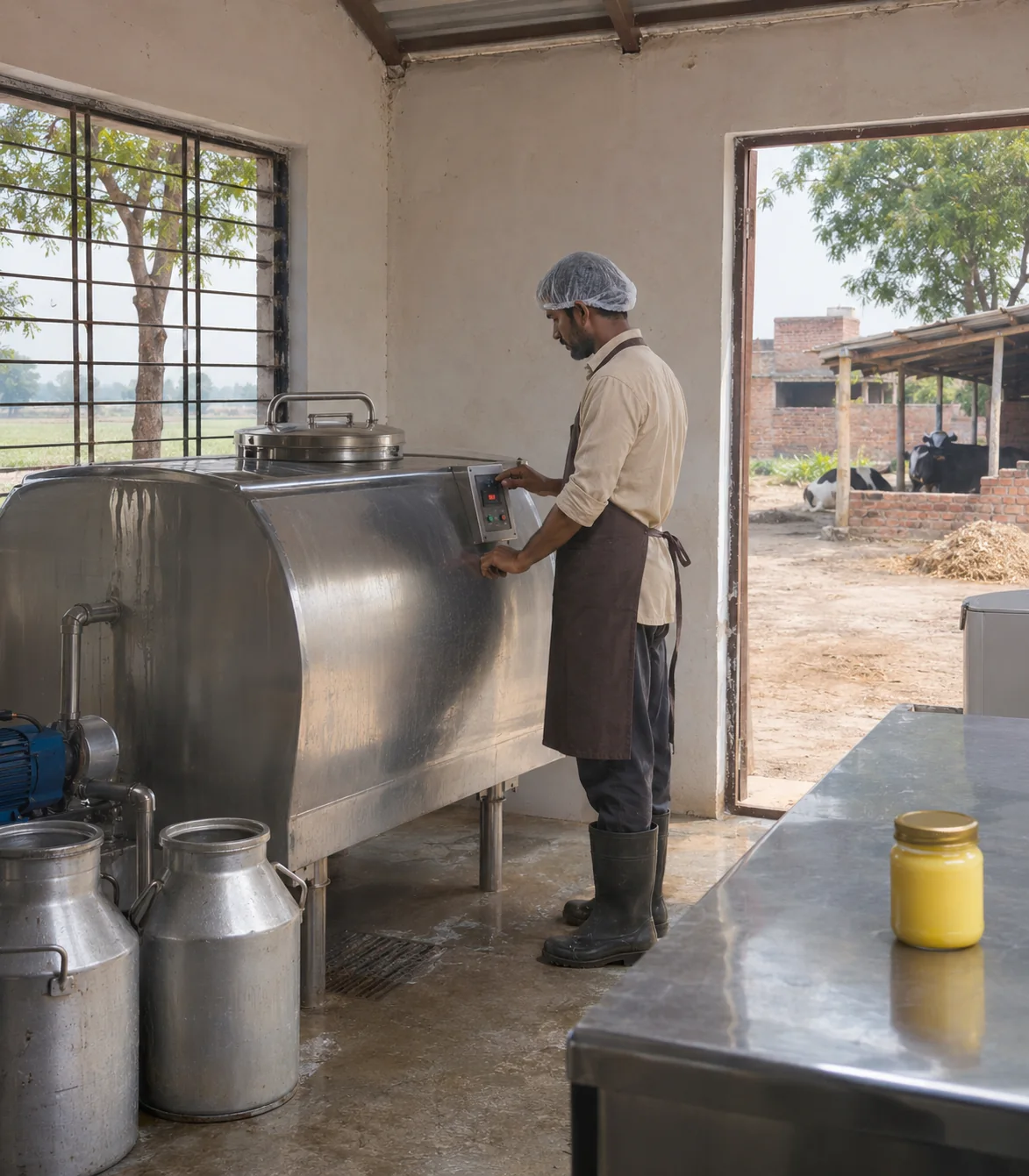
The campus brings together spaces for milk collection and chilling, dairy processing, Bilona or ghee preparation, packaging, cold storage, and dispatch. Having these activities in one place can support an organised process from collection to finished product. Quality and animal health matter at every step. Products and production methods will depend on how the facilities are operated, food-safety requirements, and access to customers.

Worker beside a stainless steel milk chiller and a jar of ghee
Representative Image

Skills and livelihoods

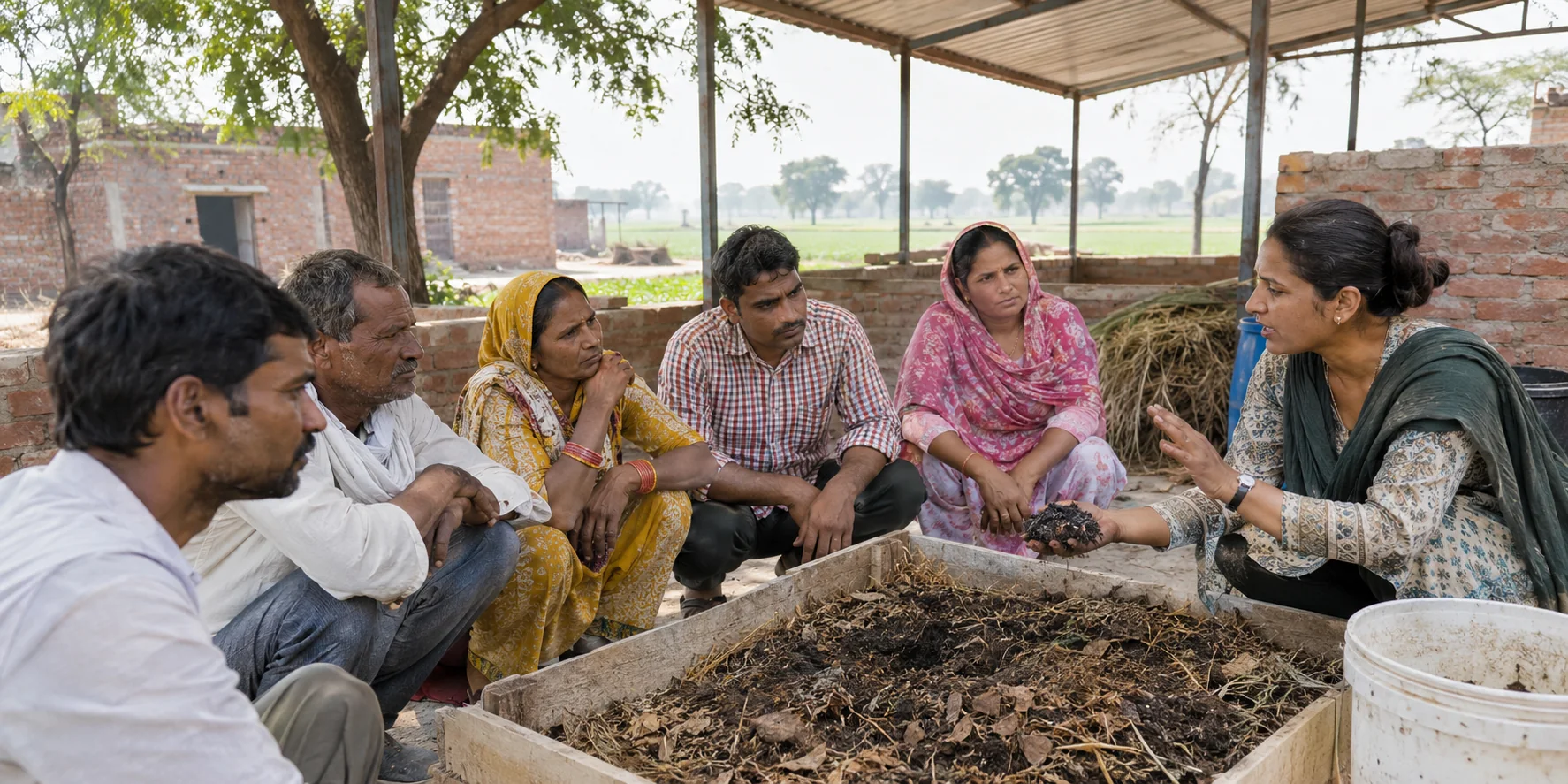
Trainer showing village residents how to prepare compost
Representative Image

A cow-centred village needs people with a range of skills. Managing animals, cultivating food, working in farms, creating compost, using a biogas plant, processing milk and other dairy products, packaging, and taking care of the campus require practical knowledge.

DevPoorti Gau Gram has facilities like a training hall, staff quarters, and places where community members can spend time. This can help people learn and develop different skills related to the activities on the campus. Livelihood opportunities of this project can increase with the development of activities and requirements of the local community.


A place to learn and connect

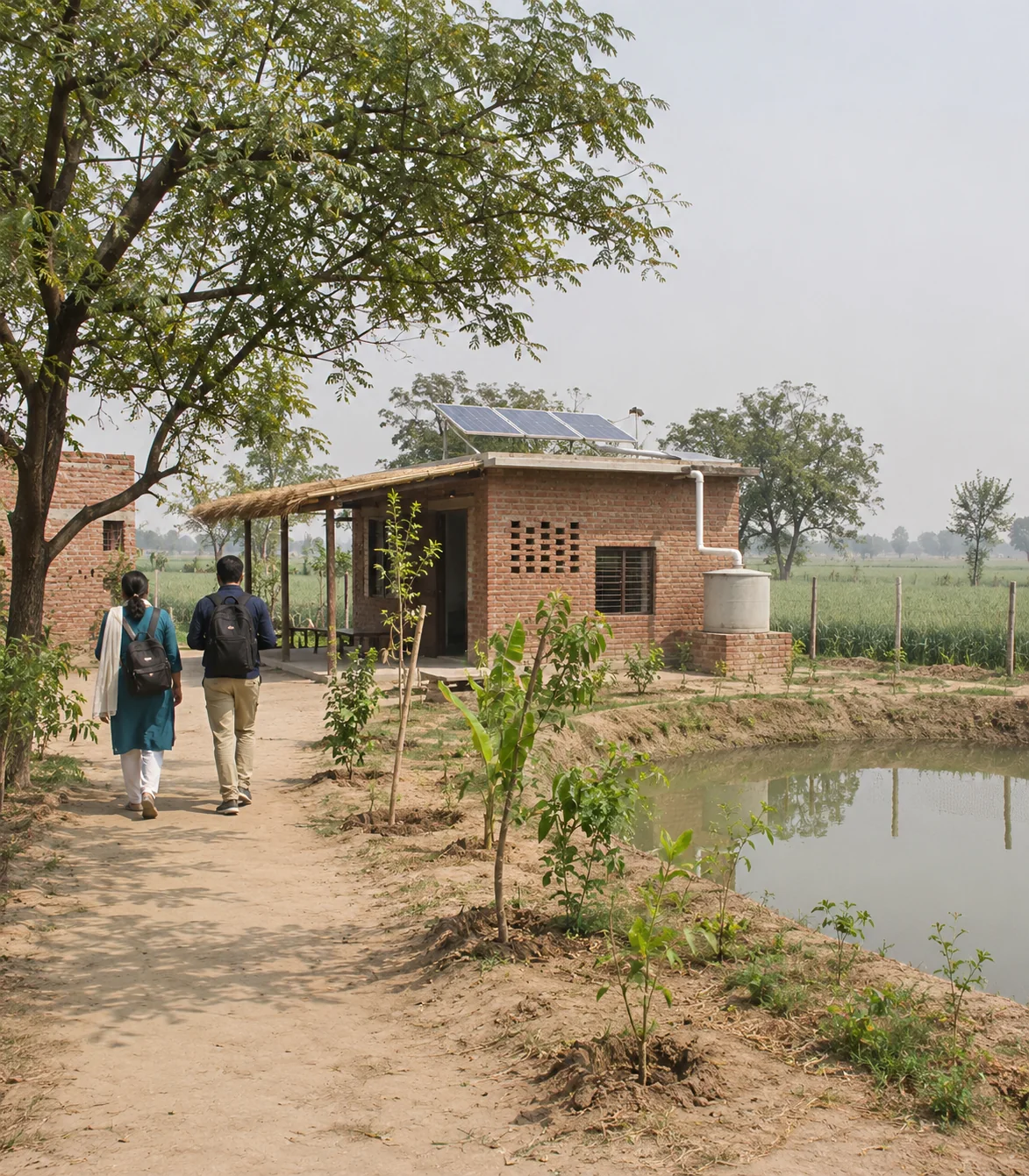
The campus also includes eco huts, visitor parking, walking paths, green spaces, and a meeting and training hall. Solar energy, rainwater harvesting, and a water body are part of the wider site design. These features bring together work, learning, and community life. They also give visitors a way to understand how a cow-centred village can connect animal care with farming and rural enterprise.

Visitors walking beside a pond and a brick eco hut with solar panels
Representative Image

A modular campus

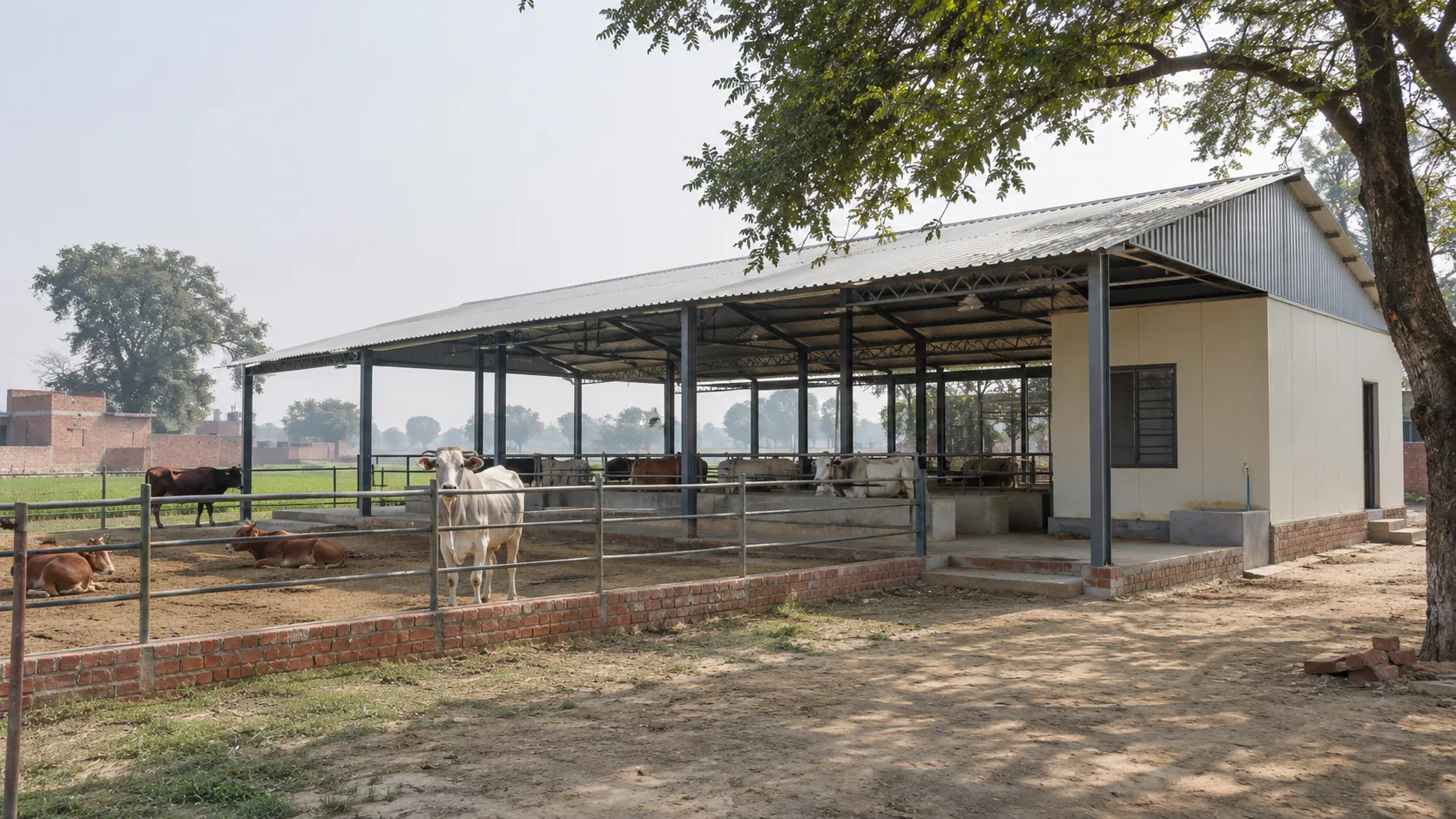
Open-sided modular cattle shed with steel bays and insulated wall panels
Representative Image

Several buildings are designed with prefabricated PUF panels. These structures can be installed quickly and offer insulation; they can also be dismantled, moved, or reused. A modular approach gives the campus flexibility as its needs change. The cow shed, in particular, can expand by adding modules, so the space can grow alongside the number of animals.

Planned for daily movement

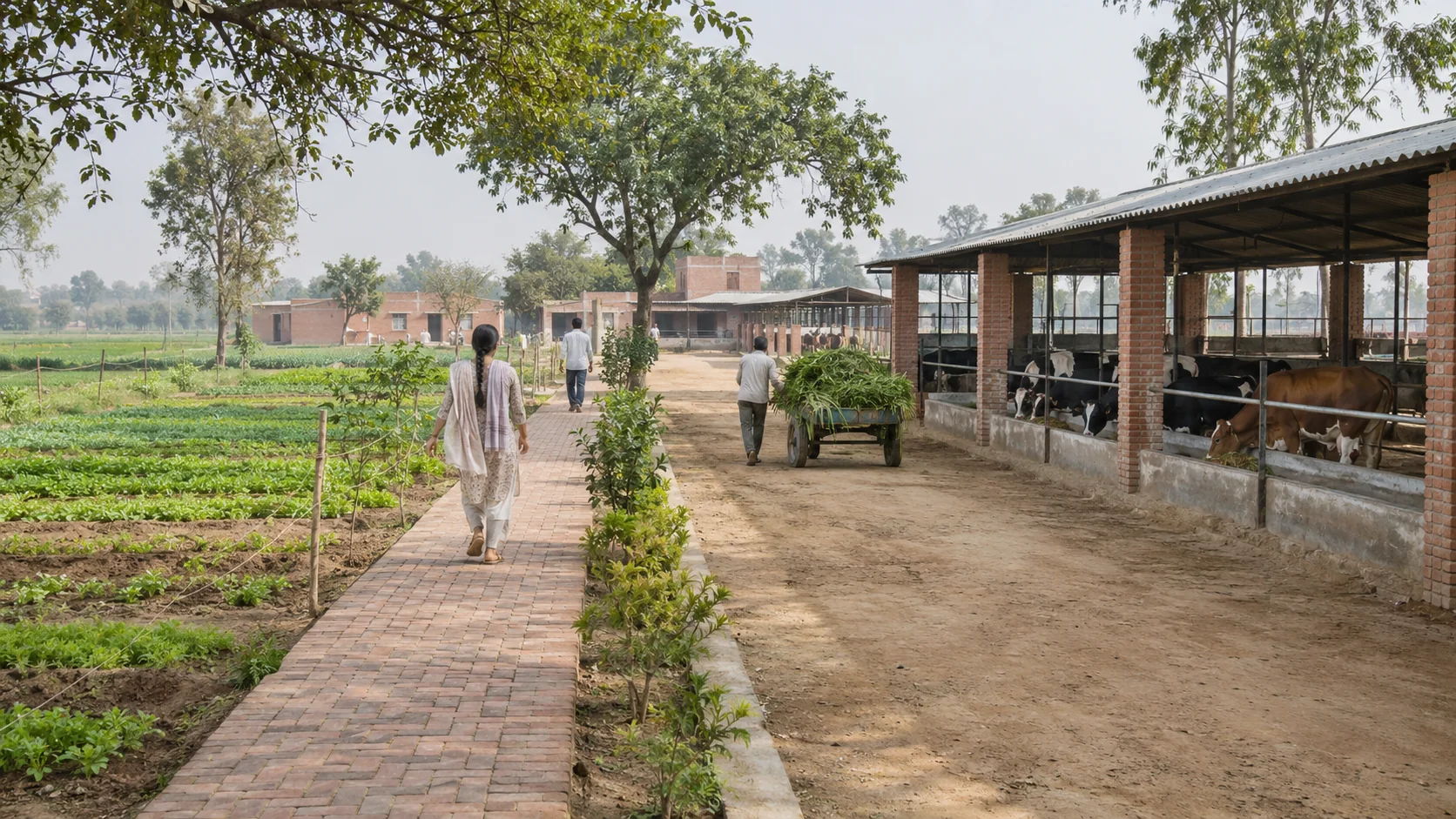
Fodder cart on a service lane beside a separate pedestrian path
Representative Image

The campus layout includes internal roads, a service corridor, and separate walking paths. Keeping work routes and visitor areas organised can make it easier to move fodder, supplies, and finished products around the site. The design also sets out separate areas for animal care, farming, processing, staff, and visitors. Clear routes between these spaces can support day-to-day operations and help visitors understand how the different parts of DevPoorti cow-based model village fit together.

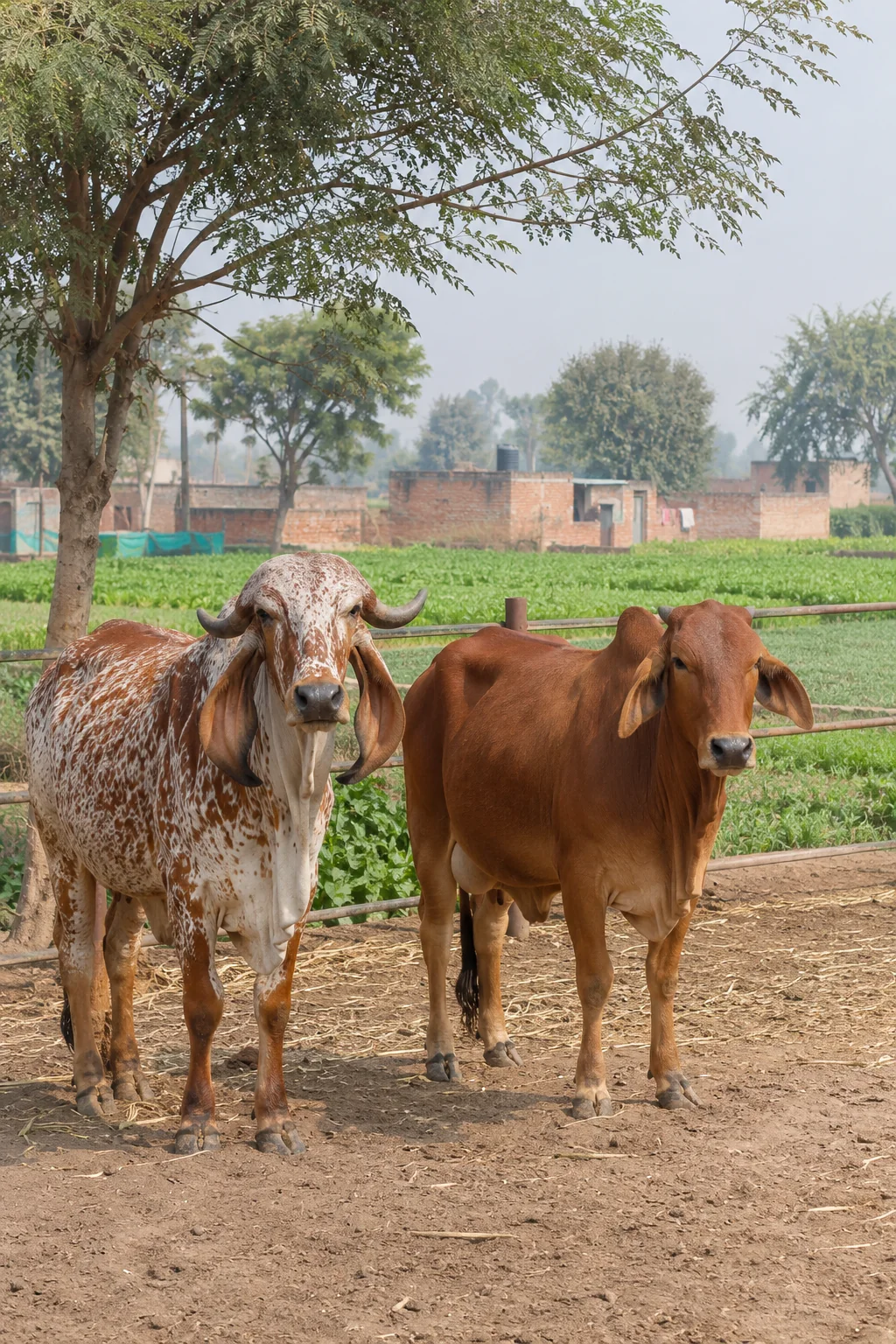
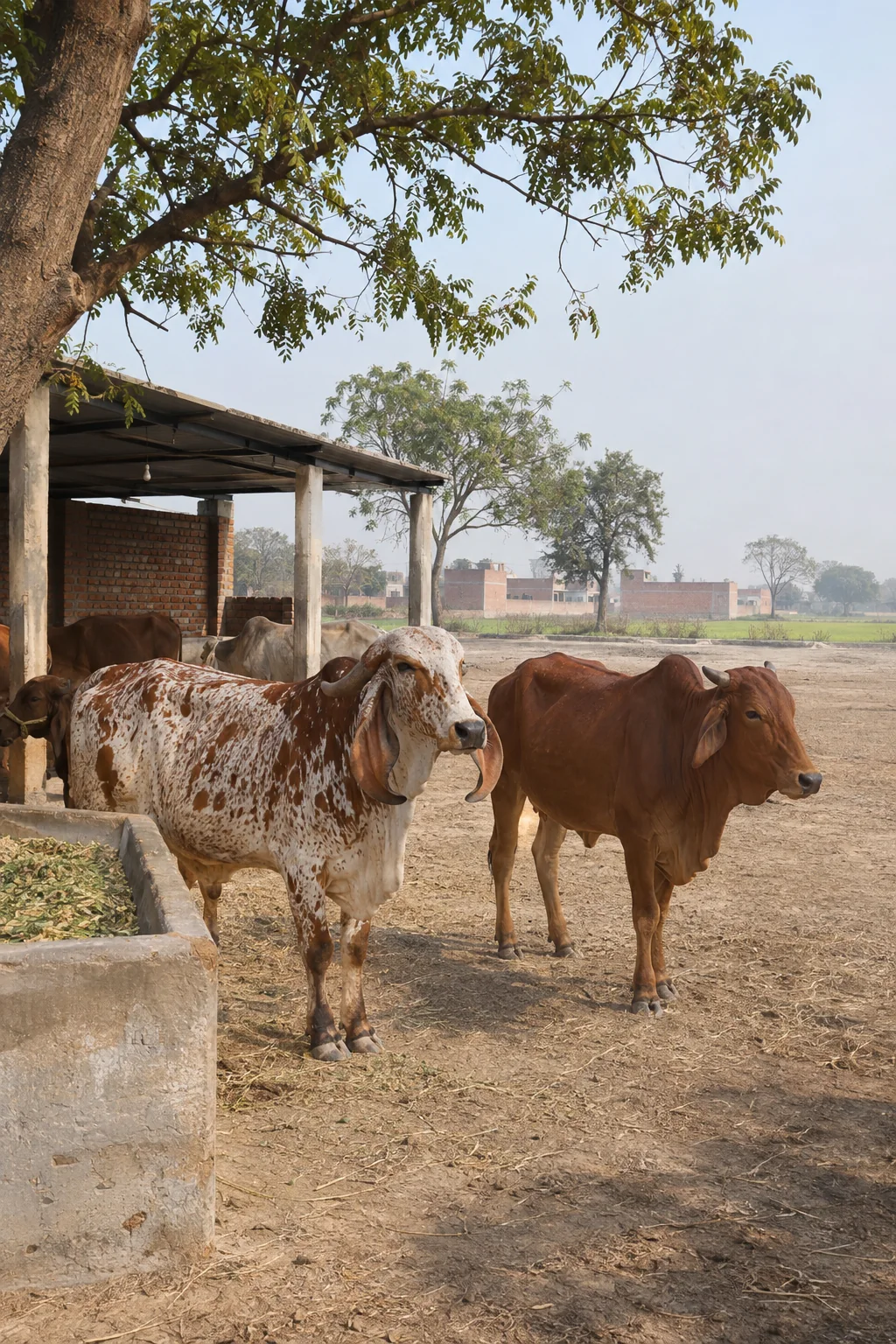
Gir and Sahiwal cows beside a small cattle shed and open ground
Representative Image

Phased Development of DevPoorti Gau Gram

DevPoorti Gau Gram will be developed in phases, starting with 20 cows and 2 bulls in the initial phase, followed by gradual expansion in the future. This step-by-step approach will help ensure that facilities and resources develop alongside the needs of the animals and their caretakers.

Phase 1: Initial Setup – 20 Cows and 2 Bulls

The first phase will focus on accommodating 20 indigenous cows and 2 bulls, with essential facilities for shelter, feeding, hygiene and veterinary care.

Phase 2: Future Expansion

As the project progresses, DevPoorti Gau Gram plans to gradually expand its cattle care capacity and supporting facilities based on available resources and animal welfare needs.

This larger vision of a self-sustaining ecosystem centred on indigenous cattle depends on proper care, management and community participation.

The DevPoorti cow-centred village aims to bring together agriculture, energy, dairy, skill development and cattle care in one location. This step-by-step approach supports rural development, with indigenous cattle at its core.
Frequently asked questions

Ans: DevPoorti Gau Gram is Liger Nexxus Foundation’s vision for a cow-based model village that connects indigenous cattle care with farming, dairy, biogas, bio-fertilizer, training, and community facilities.

Ans: The campus covers four acres of land.

Ans: DevPoorti Gau Gram will initially accommodate 20 cows and 2 bulls, with plans to gradually expand its capacity in future phases as facilities and resources develop.

Ans: Gobar can be composted, used to make bio-fertilizer, or processed to produce biogas, depending on the facilities and operating setup.

Ans: A Gau Gram connects cow care with farming and village livelihoods, creating practical links between animal welfare, local resources, and rural enterprise.

Together, We Can Build a Better Tomorrow

Whether you donate, volunteer, or partner with us — every contribution moves a village closer to self-reliance.

Contact Us