What are some better ways for villages in India to improve their education, health care, water supply, and employment? Rural development requires more than just infrastructure. It requires long-term plans that will enhance people's lives and safeguard natural resources. This is where the role of NGOs in rural development becomes important. NGOs work collaboratively with local communities to find out what they need, how they can be helped and what opportunities can be created to lead to sustainable development.
What Is Sustainable Rural Development?
Sustainable rural development involves enhancing the lives of villagers and conserving resources for future generations. It emphasises an improved quality of life, an enhanced local economy, equal opportunities and environmental stewardship.
Examples include a village requiring improved educational facilities, potable water, agricultural assistance or skills development. These needs should be met through development that does not adversely affect local resources.
One of the roles of NGOs in rural development is to facilitate cooperation among the community, local authorities and other support groups. NGOs empower people to be involved in decisions that impact their villages. This enables development to be more practical and community-based.
How Do NGOs Improve Education in Rural Areas?
Through education, children and adults acquire knowledge to create better futures. But there are still some educational opportunities and learning needs in rural communities.
NGOs work to enhance education by engaging in activities like:
- Establishing learning centres and assisting local schools.
- Supplying books, stationery and other learning resources.
- Providing additional lessons to help kids who require academic assistance catch up.
- Encouraging the education of girls and equal learning opportunities.
- Carrying out awareness programmes for parents on the importance of education.
These activities assist children in pursuing learning and developing their learning abilities. Another dimension of the role of NGOs in rural development is to promote family support for education in the rural community.
How Do NGOs Support Rural Livelihoods?
Regular employment is a key element in sustaining families and provides opportunities for them to plan for the future and meet their daily needs. NGOs assist locals with skill development and job searches to support local livelihoods.
They might provide vocational training, assistance to small enterprises, and counselling to self-help groups. Women and youth can be trained in tailoring, food processing, handicrafts, and other livelihoods.
The diverse forms of rural livelihood development enable people to utilise their capabilities to earn a livelihood. NGOs can also link the local groups with the markets, financial services, and government schemes.
The role of NGOs in rural development includes assisting communities in establishing income-generating alternatives that are suitable for their needs and resources.
How Do NGOs Improve Healthcare and Sanitation?
For a strong rural community, good health is essential. NGOs promote fundamental health measures and provide basic health information.
Activities they can organise include health camps, awareness-building, and check-up programmes with trained medical personnel. These activities can be used to educate people on nutrition, maternal health, child care, hygiene, and disease prevention.
The NGOs also advocate for a clean environment and safe sanitation. They can ask families to keep drinking water sources clean and to wash their hands frequently with clean water.
All of this is part of the role of NGOs in rural development, which includes raising awareness among people about health care and promoting good habits.
How Do NGOs Protect the Environment?
Rural populations rely on land, water, forests and other natural resources. The protection of these resources will ensure the continuation of farming and rural livelihoods and support future development.
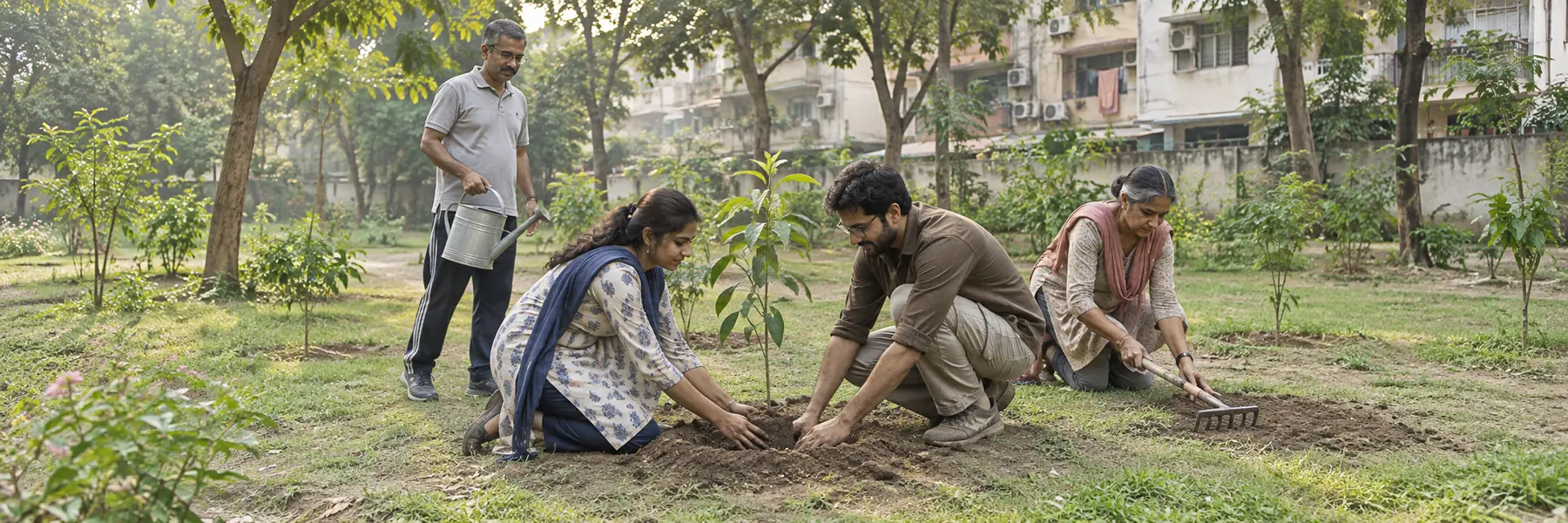
NGOs can conduct tree plantation drives, encourage rainwater harvesting and raise awareness about waste management. They can also help farmers adopt soil conservation practices, water conservation techniques, and sustainable farming practices.
The sustainable village development plan takes into account community needs and environmental protection. NGOs raise awareness among villagers about how their small actions can help them contribute to long-term progress.
Another aspect of the role of NGOs in rural development is to urge people to engage in the management of natural resources that are shared.
Why Is Community Participation Important?
Involving local people in planning and decision-making is better for development. Villagers know themselves and their community better than anyone else.
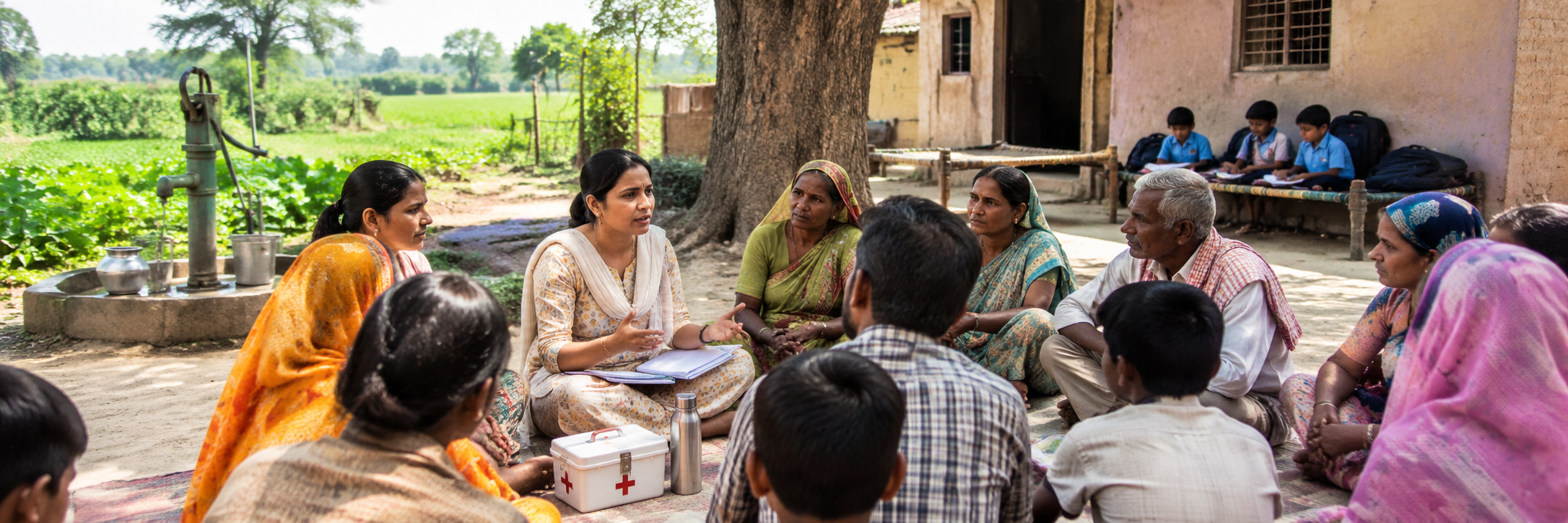
NGOs frequently have meetings with residents, women's groups, farmers, and youth. Such discussions help identify critical needs and determine which activities can yield tangible results.
An NGO working on sustainable rural development in India can help with this process by working with the communities and empowering them to act and take ownership of development activities.
Rural development does not depend solely on the services NGOs provide. It also covers the development of local leadership, team-building and assistance in the management of community projects.
FAQs
Q1. What is the main aim of NGOs in rural development?
Ans: The objectives of NGOs are to enhance the living conditions of the rural community through education, healthcare, livelihood support, sanitation, and environmental actions. They also motivate people to participate in local development.
Q2. How do NGOs help farmers in rural India?
Ans: NGOs can offer guidance on farming and water conservation, share knowledge about better farming techniques and connect farmers with resources.
Q3. How do NGOs support women in villages?
Ans: They can arrange skills training, support self-help groups, raise awareness among women about finance and explore opportunities for women to earn income.
Q4. Can NGOs help improve village infrastructure?
Ans: Yes. NGOs can assist with community projects on drinking water, sanitation, learning spaces and other basic services. They typically interact with local authorities and communities.
Q5. How can people participate in NGO-led rural development activities?
Ans: They are able to attend community gatherings, participate in community programmes, offer their skills and collaborate with organisations that benefit the community's development.
Conclusion
True sustainable rural development requires a consistent approach, community engagement and solutions that reflect the specific needs of communities. In their role in rural development, NGOs help villages make progress in various fields, from education to healthcare, livelihoods and environmental protection. Supporting community-oriented development projects and promoting sustained development in rural areas are ways an organisation like Liger Nexxus Foundation can contribute to this broader endeavour.