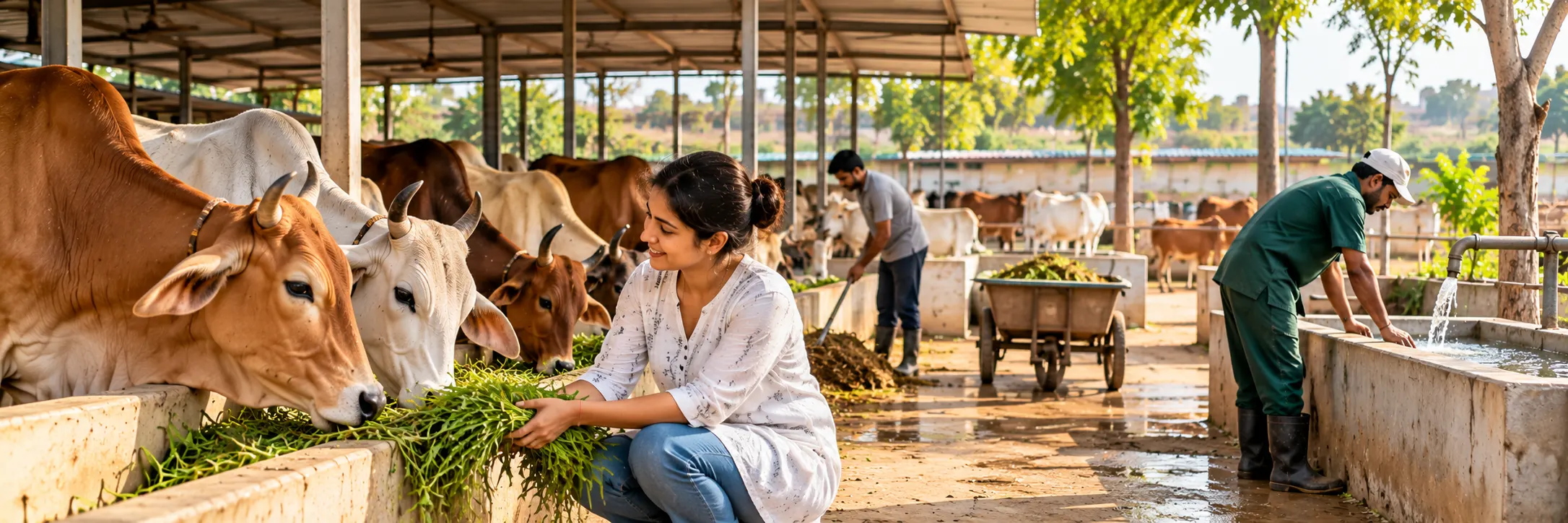
What if a village could care for cows, support farmers, reduce waste, and create local jobs at the same time? This idea inspires DevPoorti Gau Gram. The vision is to build a cow-based model village where cow care connects with farming, village livelihoods, and responsible use of natural resources. The aim is not simply to keep cows in one place. It is to create a practical village system where people, animals, and the environment support one another.
What Is the Idea Behind DevPoorti Gau Gram?
DevPoorti Gau Gram aims to develop a village centred on the care and value of cows. In many rural communities, cows have a close connection with farming, household needs, and local traditions. However, this connection needs proper planning to create lasting value.
The idea is to bring cow care, farming practices, resource management, and community participation together. A well-planned cow-based model village can help people explore how these activities work as one system.
The focus should remain on daily care, clean surroundings, useful work, and responsible management. Every activity must meet practical needs rather than depend only on an inspiring idea.
Why Are We Building a Cow-Centred Village?
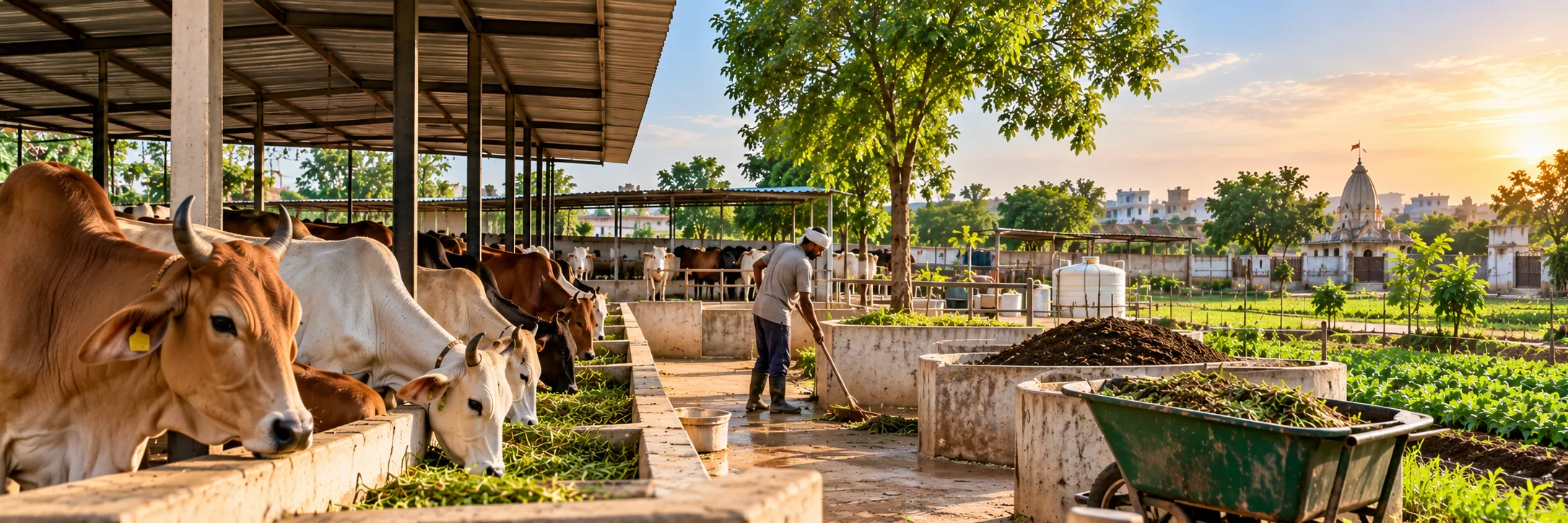
Cows need daily attention, including balanced feed, clean water, regular health checks, and a safe shelter. Proper planning ensures that animals receive lifelong care and protection, even after they stop producing milk.
1. To Give Cows Better Care
Cows need regular food, clean drinking water, enough space, shelter, and timely veterinary care. These needs require attention every day.
DevPoorti Gau Gram places cow welfare at the centre of its vision. A planned system can help manage feeding schedules, cleanliness, health checks, and safe living spaces.
Building a cow-based model village also means treating animal care as a long-term responsibility. The goal should be to provide suitable living conditions throughout a cow’s life, including when it no longer produces milk.
2. To Support Natural Farming
Cow dung can serve as a raw material for compost. Farmers can use properly prepared compost to add organic matter to the soil.
A village that manages cow dung well can explore its use in farming instead of allowing it to collect in open areas. This can support cleaner surroundings and better waste management.
However, compost alone cannot solve every soil problem. Farmers must consider soil quality, crop needs, and local conditions. DevPoorti Gau Gram can promote a cow-based model village approach that connects animal care with responsible farming methods.
3. To Reduce Waste and Use Resources Wisely
A village produces different types of waste, including food scraps, crop leftovers, and animal waste. Poor handling can cause bad smells, attract flies, and pollute nearby water sources.
A planned system can separate waste and identify safe ways to reuse suitable materials. For example, cow dung can enter a managed composting process.
The cow-based model village concept encourages people to see waste management as part of everyday village planning. Safe handling, proper storage, and regular cleaning must guide every step.
How Can DevPoorti Gau Gram Support Rural Livelihoods?
A village needs income opportunities to remain active and sustainable. Cow care and related activities may create work in animal management, fodder production, compost preparation, cleaning, and maintenance.
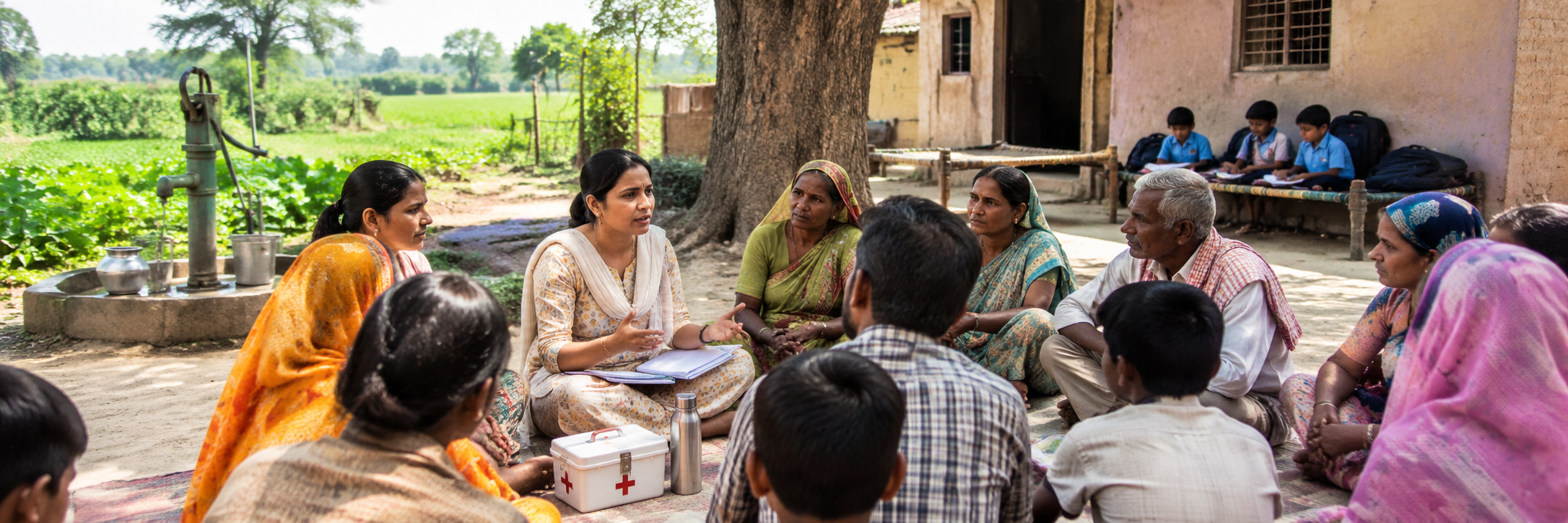
Local people can learn practical skills and take part in these activities. Such work may support household incomes when the village manages costs, demand, and resources carefully.
A cow-based model village should not promise jobs or profits without a clear plan. It needs trained workers, suitable facilities, reliable funding, and a realistic understanding of local needs.
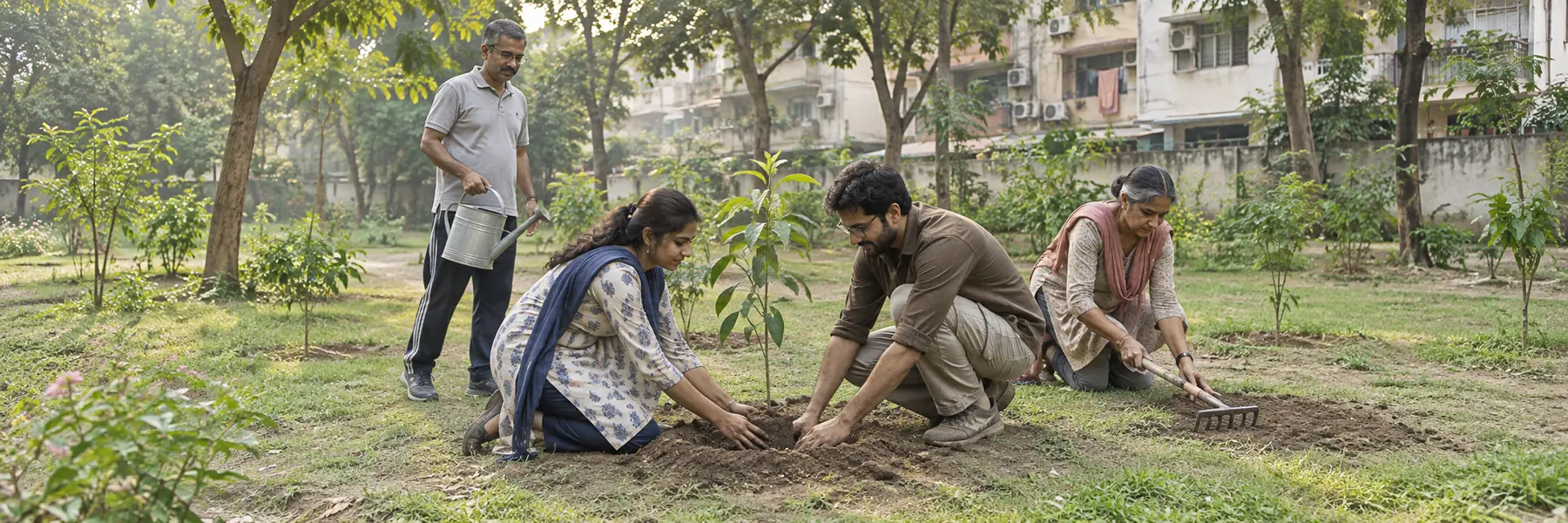
Community participation is equally important. When residents help plan and manage activities, they can identify problems early and share responsibility for solutions.
What Makes a Cow-Centred Village Different?
The main difference lies in how the village connects its activities. Cow care does not stand alone. It links with farming, resource use, cleanliness, and local work.
For example, farmers may use suitable compost from managed cow dung. Crop residues may provide fodder when they meet animal nutrition needs. Local workers may maintain shelters and manage waste safely.
This connected approach gives the cow-based model village idea its practical purpose. It encourages people to plan activities together instead of treating each need as a separate problem.
Liger Nexxus Foundation can be explored as a point of contact for learning more about the vision and supporting its development, subject to the foundation’s current initiatives.
How Can We Make DevPoorti Gau Gram Sustainable?
A lasting village needs more than good intentions. It needs clear systems and regular monitoring.
- First, planners must estimate the number of cows the available land, fodder, water, and staff can support. They must also arrange veterinary services and maintain clean shelters.
- Second, the village needs a clear budget for feed, wages, medicine, repairs, and waste management. It should track spending and identify reliable sources of income.
- Third, the team must measure results. Useful measures include animal health, cleanliness, compost quality, water use, and local employment.
A cow-based model village can grow responsibly when it expands according to its actual resources. Regular reviews can reveal gaps and help the team improve its work.
What Is the Long-Term Vision for DevPoorti Gau Gram?
The long-term vision is to build a village where cow welfare and rural development work together. The aim is to create a practical example of responsible animal care, resource use, farming support, and community involvement.
A successful cow-based model village must prove its value through daily work and measurable results. DevPoorti Gau Gram can pursue this vision by keeping animal welfare, environmental care, and local participation at the heart of its plans.
FAQs
Q1. What is DevPoorti Gau Gram?
DevPoorti Gau Gram is a vision for a cow-centred village that connects cow care with farming, resource management, and rural development.
Q2. Why are cows central to this village concept?
Cows need organised care, and their dung can support composting. Responsible planning can connect animal welfare with other village activities.
Q3. How can cow dung help farmers?
Properly processed cow dung can become compost that adds organic matter to soil. Farmers should use it according to their crops and soil needs.
Q4. Can a cow-centred village create jobs?
It may create work in animal care, fodder management, composting, and maintenance. Actual employment depends on funding, demand, and planning.
Q5. What does DevPoorti Gau Gram need to succeed?
It needs proper animal care, trained workers, sufficient food and water, veterinary support, sound financial planning, and active community participation.
Conclusion
DevPoorti Gau Gram represents the idea of a village built around care, responsibility, and shared progress. Its success will depend on proper planning, animal welfare, skilled people, and careful use of resources. A cow-based model village can offer a useful path towards connected rural development when it meets real community needs. To learn more about this vision or explore ways to support it, connect with Liger Nexxus Foundation and its relevant initiatives.