Have you ever wondered how farmers can improve soil health using natural materials instead of depending heavily on chemical inputs? Gau-based natural farming uses desi cow dung, urine, plant materials, and other natural resources to support soil life. Natural farming with cow dung helps farmers recycle farm waste, add organic matter, and create better conditions for soil organisms when used correctly.
What Is Gau-Based Natural Farming?
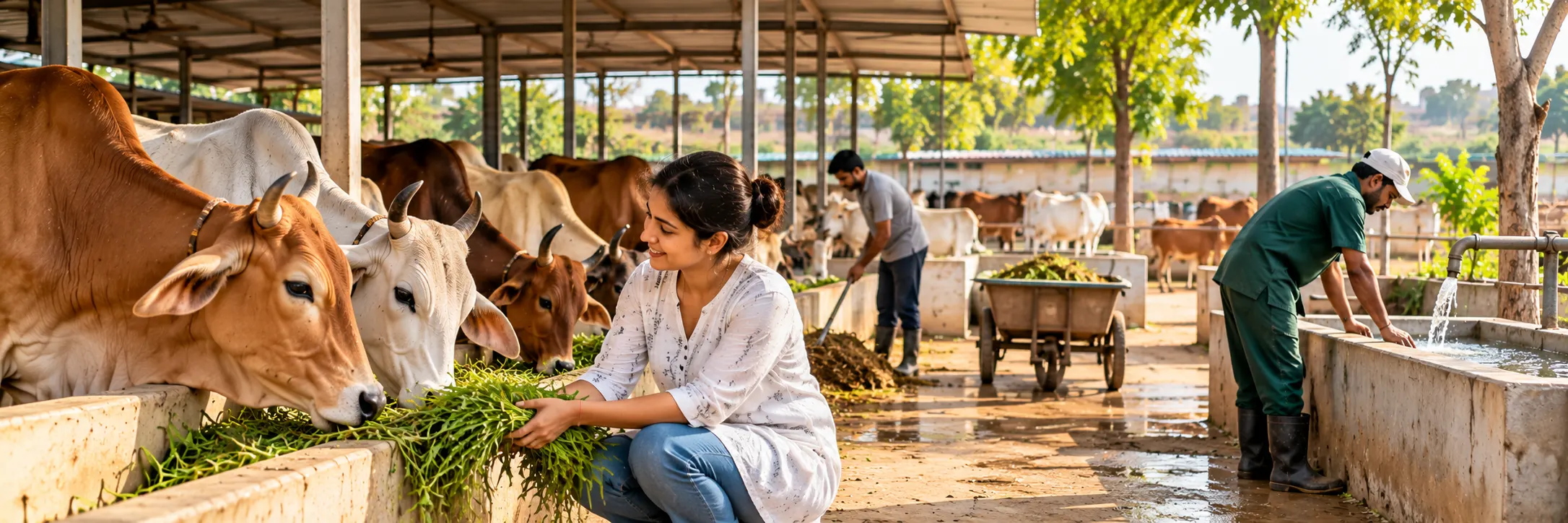
Gau-based natural farming is a farming approach that uses products from indigenous cows, also called desi cows, to prepare natural farm inputs. Farmers use these inputs to support soil fertility, plant growth, and biological activity.
This method often includes cow dung compost, cow urine-based preparations, mulching, and the use of crop residues. Farmers aim to improve soil function while reducing their dependence on purchased chemical inputs.
However, results depend on soil type, weather, crop needs, and farming practices. Cow-based inputs alone cannot solve every soil problem.
How Does Desi Cow Dung Improve Soil Health?
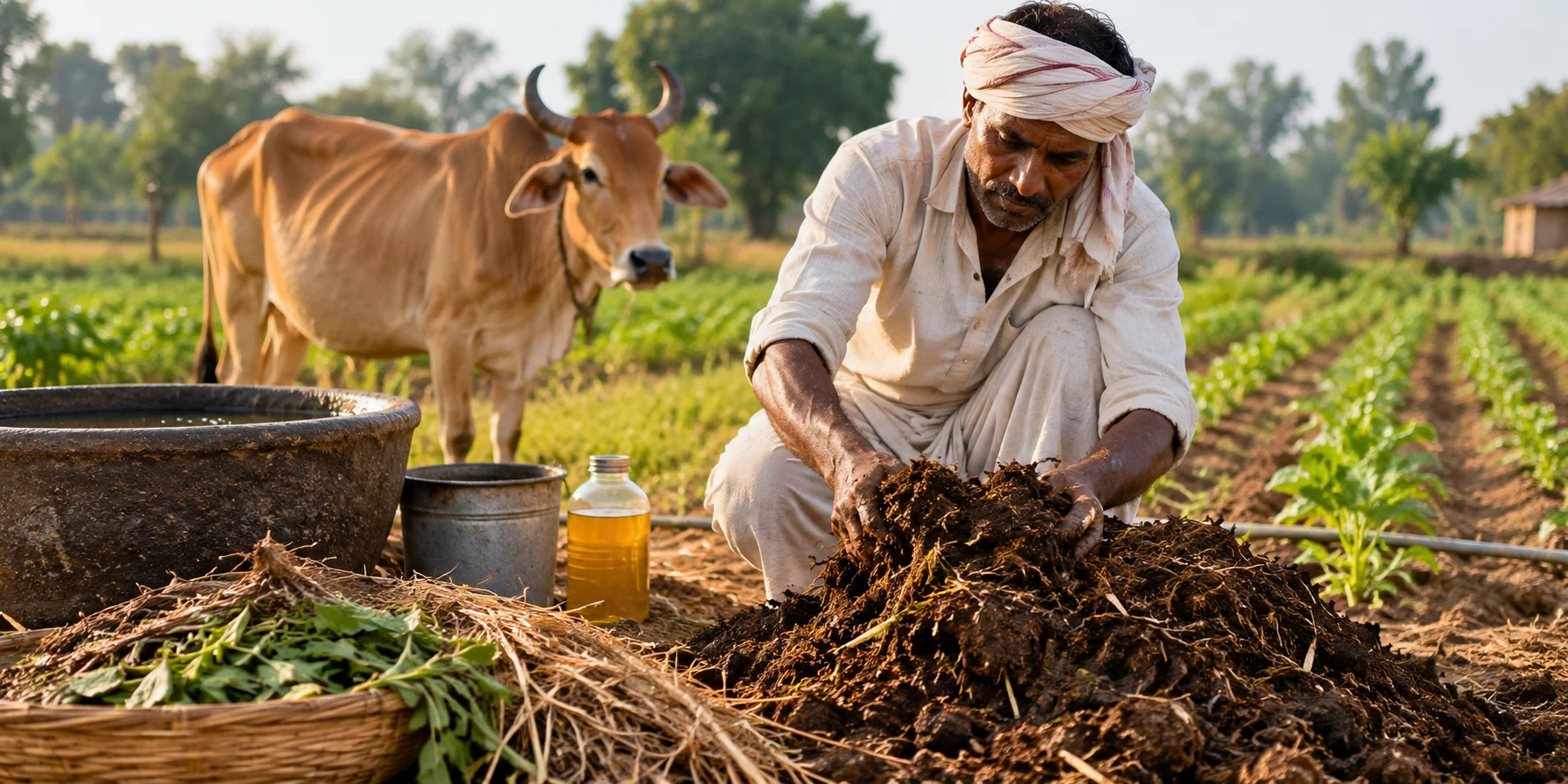
Desi cow dung contains organic matter and nutrients that can support soil health after proper handling and decomposition.
1. Adds Organic Matter to Soil
Organic matter plays an important role in healthy soil. It helps improve soil structure and supports organisms that break down plant and animal materials.
When farmers apply well-decomposed cow dung compost, they add organic matter to the soil. This can help sandy soils hold more water and improve the structure of some heavy soils.
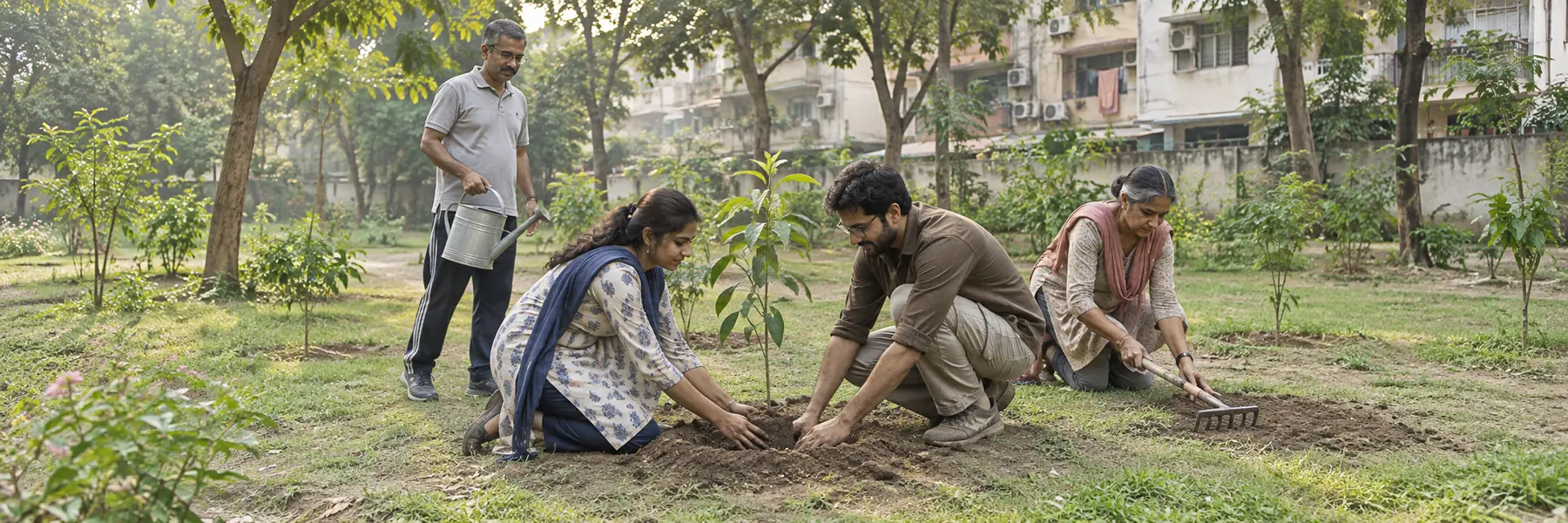
Natural farming with cow dung also encourages farmers to recycle locally available farm waste instead of discarding it.
2. Supports Beneficial Soil Organisms
Healthy soil contains bacteria, fungi, earthworms, and other organisms. These organisms break down organic materials and help release nutrients that plants can absorb.
Cow dung provides food for many decomposer organisms. Proper composting also reduces the risks linked to fresh manure.
Farmers can support this activity by adding suitable organic matter and avoiding practices that damage soil life.
3. Helps Soil Hold Water
Organic matter can improve the ability of soil to retain moisture. This benefit may help crops during short dry periods, although it does not replace irrigation when crops need water.
When farmers combine compost with mulching, they can also reduce direct water loss from the soil surface.
The results depend on the amount of organic matter, soil texture, rainfall, and local conditions.
Which Desi Cow Inputs Support Soil Health?
Farmers can use several cow-based materials, but each one serves a different purpose.
1. Cow Dung Compost
Farmers prepare compost by allowing cow dung and suitable plant residues to decompose under managed conditions. Mature compost adds organic matter and nutrients to the soil.
For natural farming with cow dung, farmers should use properly decomposed material rather than applying large amounts of fresh dung directly around crops.
2. Cow Urine-Based Preparations
Cow urine contains nitrogen and other dissolved substances. Farmers sometimes use diluted preparations as part of traditional farming practices.
However, its nutrient content varies, and excessive or poorly prepared mixtures may harm plants. Farmers should follow tested local guidance and avoid assuming that every preparation improves crop growth.
3. Jeevamrit and Similar Preparations
Some natural farming systems use Jeevamrit, a fermented mixture that commonly includes cow dung, cow urine, jaggery, pulse flour, and water.
Farmers use it to encourage biological activity in the soil. However, scientific evidence for its benefits varies by crop and condition. It should not replace soil testing or balanced nutrient management.
The natural farming with cow dung approach works best when farmers assess their soil and use suitable inputs rather than following fixed recipes for every field.
How Can Gau-Based Farming Improve Soil Structure?
Soil structure describes how soil particles form small groups, leaving spaces for air and water. Good structure helps roots grow and allows water to enter the soil.
Organic matter from compost can help improve these conditions over time. Mulching and reduced soil disturbance may provide further support.
Farmers can combine these practices with natural farming with cow dung to build soil quality gradually. They should also monitor drainage, compaction, and nutrient levels to understand what their fields need.
Liger Nexxus Foundation can be explored for further information on natural farming practices and the responsible use of locally available resources.
How Should Farmers Use Cow-Based Inputs Safely?
Farmers should compost dung properly, store preparations safely, and use suitable quantities. Fresh manure can contain harmful microbes and may damage plants if applied incorrectly.
They should also avoid applying cow urine mixtures in strong concentrations. A small trial on a limited area can help identify possible plant damage before wider use.
Natural farming with cow dung should include regular soil testing where possible. Testing helps farmers identify nutrient shortages and avoid adding materials that the soil does not need.
FAQs
Q1. What is gau-based natural farming?
It is a farming approach that uses desi cow products and other natural resources to support soil health and crop production.
Q2. Is cow dung good for all types of soil?
Properly decomposed cow dung compost can benefit many soils, but the amount required depends on soil conditions and crop needs.
Q3. Can fresh cow dung improve soil health?
Fresh cow dung can contain harmful microbes and may damage plants. Proper composting is generally a safer option.
Q4. Does cow urine provide nutrients to plants?
Yes, cow urine contains nutrients such as nitrogen, but its composition varies. Incorrect concentrations can damage plants.
Q5. Can gau-based farming completely replace chemical fertilisers?
Not always. Farmers should assess soil fertility and crop needs because natural inputs may not supply every nutrient in the required amount.
Conclusion
Gau-based natural farming uses desi cow products to support soil health through organic matter, nutrient recycling, and biological activity. Natural farming with cow dung can improve soil structure and moisture retention when farmers combine proper composting with suitable field practices. It does not guarantee higher yields or remove every need for nutrient management.
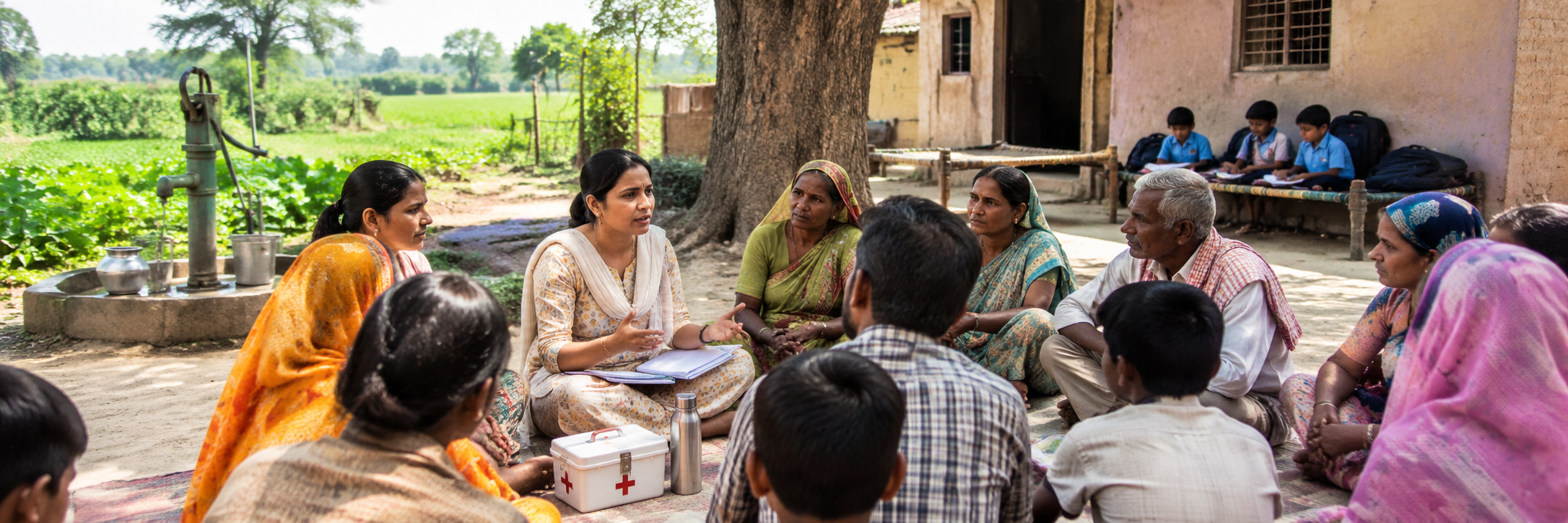
Farmers can learn more about responsible methods through agricultural experts and initiatives such as Liger Nexxus Foundation. Careful use, regular observation, and soil testing remain important for long-term results.