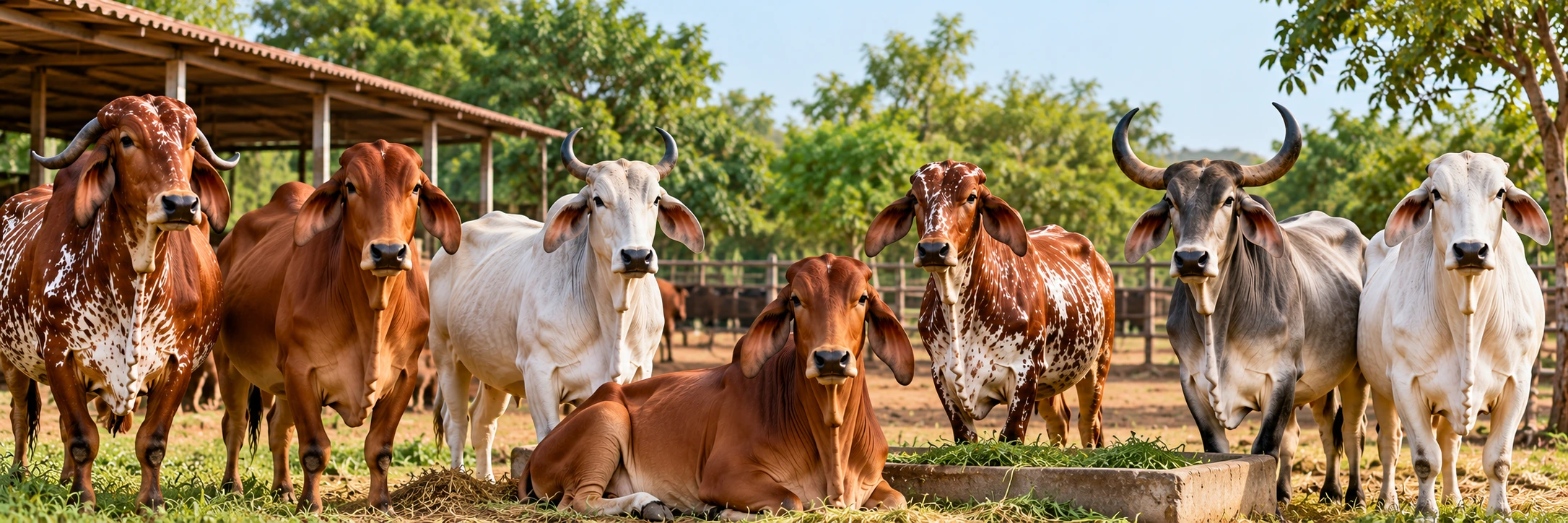
Do you know which Indian cow breeds are known for milk production, heat tolerance, and the ability to live in local conditions? India has many indigenous cattle breeds, each with its own features and uses. Understanding these breeds helps farmers choose suitable cattle and improve gau shala management through better feeding, housing, and daily care.
What Are Indigenous Cow Breeds of India?
Indigenous cow breeds developed over many generations in different parts of India. They adapted to local weather, food sources, and farming conditions. Some breeds produce more milk, while others support farming work or survive well in hot and dry areas.
These cattle also carry valuable genetic traits. Farmers and cattle shelters can protect this diversity by maintaining healthy animals and providing suitable care.
1. Gir Cow
The Gir breed comes from the Gir forest region of Gujarat. It is one of India's best-known dairy cattle breeds.
Key features:
- A reddish-brown, spotted, or mixed coat.
- Long, drooping ears and a curved forehead.
- A strong body and good ability to handle heat.
- Good milk-producing ability under suitable feeding and care.
Farmers value Gir cows for their dairy potential and adaptation to warm conditions. Their milk output varies with genetics, nutrition, health, and management. Proper gau shala management helps maintain their comfort and productivity.
2. Sahiwal Cow
Sahiwal cattle originated in the region now divided between India and Pakistan. In India, farmers value this breed for its milk production and ability to tolerate heat.
Key features:
- A reddish-brown coat.
- A loose skin fold around the neck and body.
- A well-developed udder in many dairy animals.
- Good resistance to heat when compared with many less-adapted cattle.
Sahiwal cows can perform well in dairy farming when farmers provide balanced feed, clean water, and regular health checks. Their actual milk yield depends on several factors, so farmers should assess individual animals before purchasing them.
3. Tharparkar Cow
Tharparkar cattle originated in the Thar Desert region, especially around the Tharparkar area of present-day Pakistan. The breed is also raised in parts of India.
Key features:
- A white or light grey coat.
- Strong legs and a sturdy body.
- Good adaptation to hot, dry climates.
- The ability to produce milk and support some traditional farming needs.
Tharparkar cattle suit areas where heat and limited resources can challenge livestock farming. However, farmers still need to provide enough feed and water, especially during droughts.
4. Red Sindhi Cow
Red Sindhi cattle originated in the Sindh region, now in Pakistan. Indian farmers also raise this breed for its dairy qualities.
Key features:
- A deep red coat, which may range from light to dark shades.
- A compact, sturdy body.
- Good heat tolerance.
- Useful milk production under proper care.
Red Sindhi cows can suit warm regions where farmers want cattle adapted to tropical conditions. Clean housing, balanced nutrition, and timely veterinary care support their health.
5. Rathi Cow
Rathi cattle mainly come from Rajasthan, especially the Bikaner and surrounding regions. Farmers value them for milk production and their ability to manage dry conditions.
Key features:
- A brown coat with white patches or spots.
- Adaptation to hot and dry weather.
- Dairy potential under suitable conditions.
- The ability to use available local feed resources.
Farmers should match feeding practices to the animal's age, health, and milk output. Good gau shala management also includes clean resting areas and regular monitoring.
6. Kankrej Cow
Kankrej cattle originated in Gujarat and nearby parts of Rajasthan. This dual-purpose breed is known for its strength and usefulness in traditional farming.
Key features:
- A grey or silver-grey coat.
- Strong horns that curve outward.
- A sturdy body and powerful legs.
- Use in milk production and draught work.
Kankrej cattle can adapt well to hot regions. Farmers should still provide shade, water, and enough nutrition to support their daily needs.
7. Ongole Cow
Ongole cattle originated in Andhra Pradesh, particularly the Ongole region. The breed is known for its strong body and heat tolerance.
Key features:
- A white or light grey coat.
- A broad forehead and strong build.
- Good adaptation to tropical conditions.
- Traditional use as draught cattle and in breeding programmes.
Ongole cattle are valued for their strength and genetic traits. Their role on a farm depends on local needs and the individual animal.
How Can You Care for Indigenous Cow Breeds?
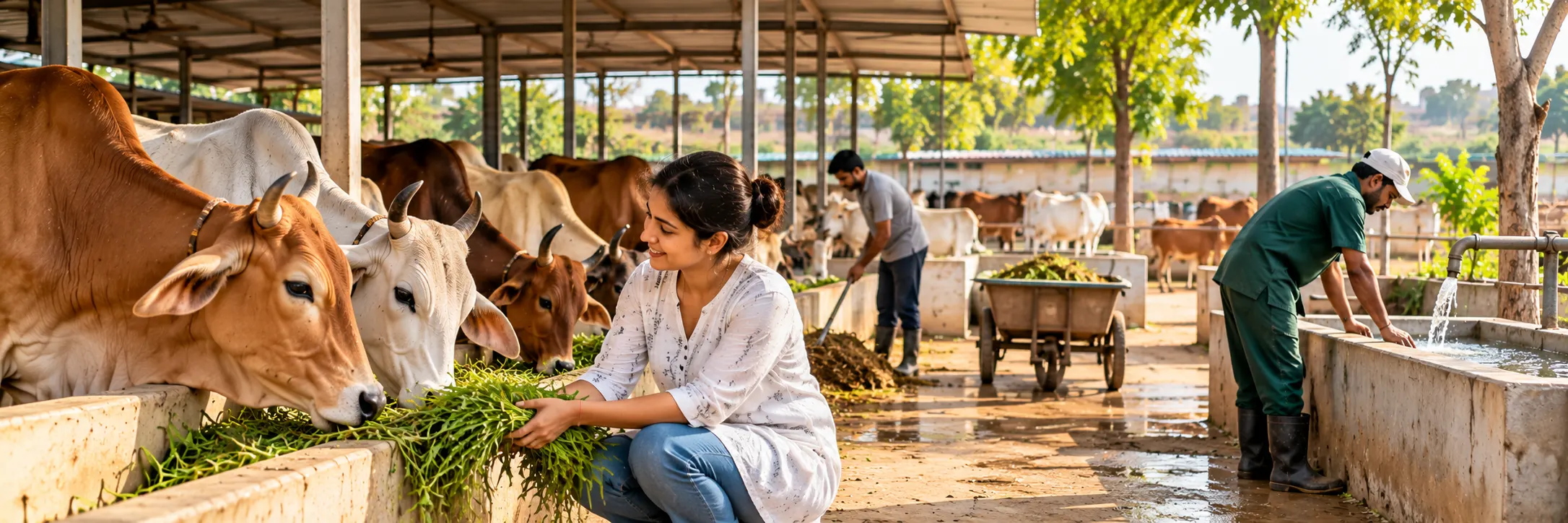
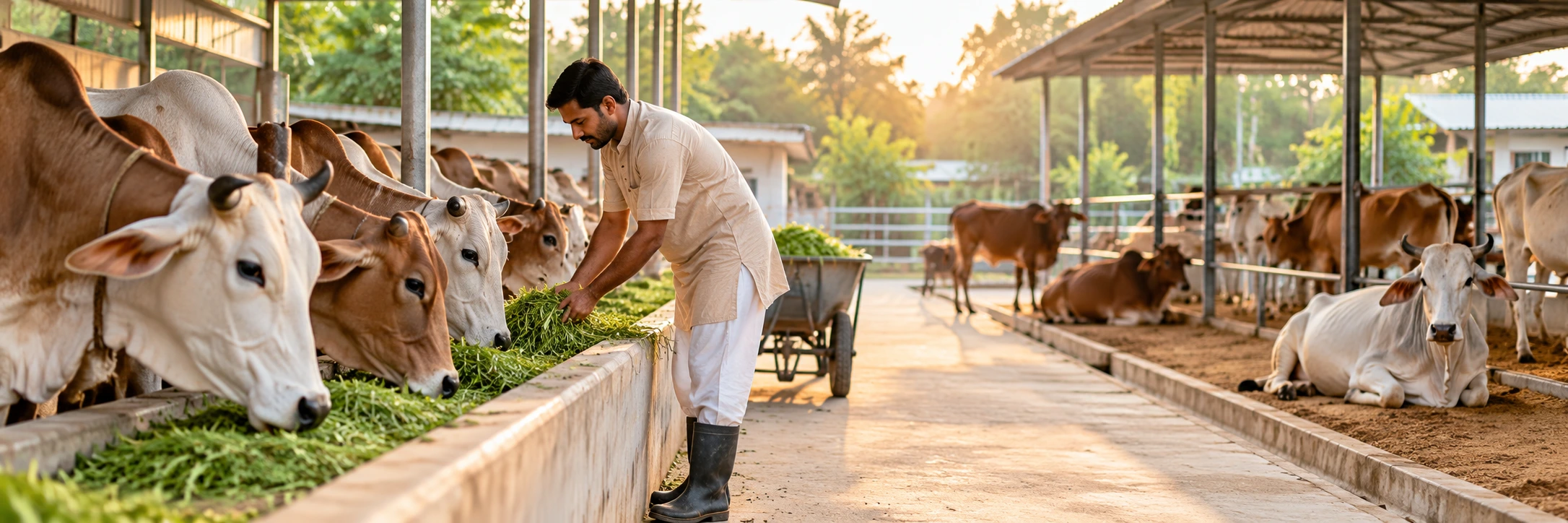
Every breed needs suitable food, clean drinking water, shade, ventilation, and enough space to rest. Farmers should also arrange vaccinations, deworming, and veterinary checks according to professional advice.
For cattle shelters, gau shala management should include breed records, regular health monitoring, clean feeding areas, and separate care for sick animals. Liger Nexxus Foundation can be explored for relevant support and initiatives related to cattle welfare.
Choosing the right breed also requires checking local climate, available feed, veterinary access, and the purpose of keeping cattle.
FAQs
Q1. Which indigenous cow breed is best for milk production?
Gir and Sahiwal are popular dairy breeds. The best choice depends on the animal's milk yield, health, genetics, and care.
Q2. Which Indian cow breeds tolerate heat well?
Gir, Sahiwal, Tharparkar, Red Sindhi, and Rathi are known for adapting to warm conditions.
Q3. Which cow breed is suitable for dry regions?
Tharparkar and Rathi cattle are known for their adaptation to hot, dry areas, but they still need adequate food and water.
Q4. Are all indigenous cow breeds dairy breeds?
No. Some breeds serve both dairy and draught purposes. Their main uses depend on their characteristics and local farming needs.
Q5. How can farmers protect indigenous cow breeds?
Farmers can maintain breed records, provide proper nutrition and veterinary care, and support responsible breeding and conservation programmes.
Conclusion
Gir, Sahiwal, Tharparkar, Red Sindhi, Rathi, Kankrej, and Ongole represent India's rich indigenous cattle diversity. Each breed has distinct qualities, but good nutrition, health care, and gau shala management remain essential for animal welfare. Farmers and cattle shelters can explore suitable guidance and initiatives through Liger Nexxus Foundation while working to protect India's indigenous breeds.
To learn more about indigenous cattle conservation and rural development initiatives, explore Liger Nexxus Foundation's projects.