Are you planning to manage a Gau Shala and want to know how to keep cows healthy, safe, and well-fed? Good gau shala management starts with three basic needs: balanced feed, clean shelter, and timely veterinary care. When caretakers manage these needs properly, cows can stay healthier, recover better from illness, and live in a safer environment.
What Is Gau Shala Management?
Gau shala management means organising the daily care of cows, including feeding, housing, cleaning, health checks, and record-keeping. It requires a clear routine, trained caretakers, and enough resources to meet the needs of every animal.
A well-managed Gau Shala should provide clean drinking water, suitable food, protection from extreme weather, and quick medical help when needed. Caretakers must also give special attention to calves, pregnant cows, older animals, and cows recovering from illness.
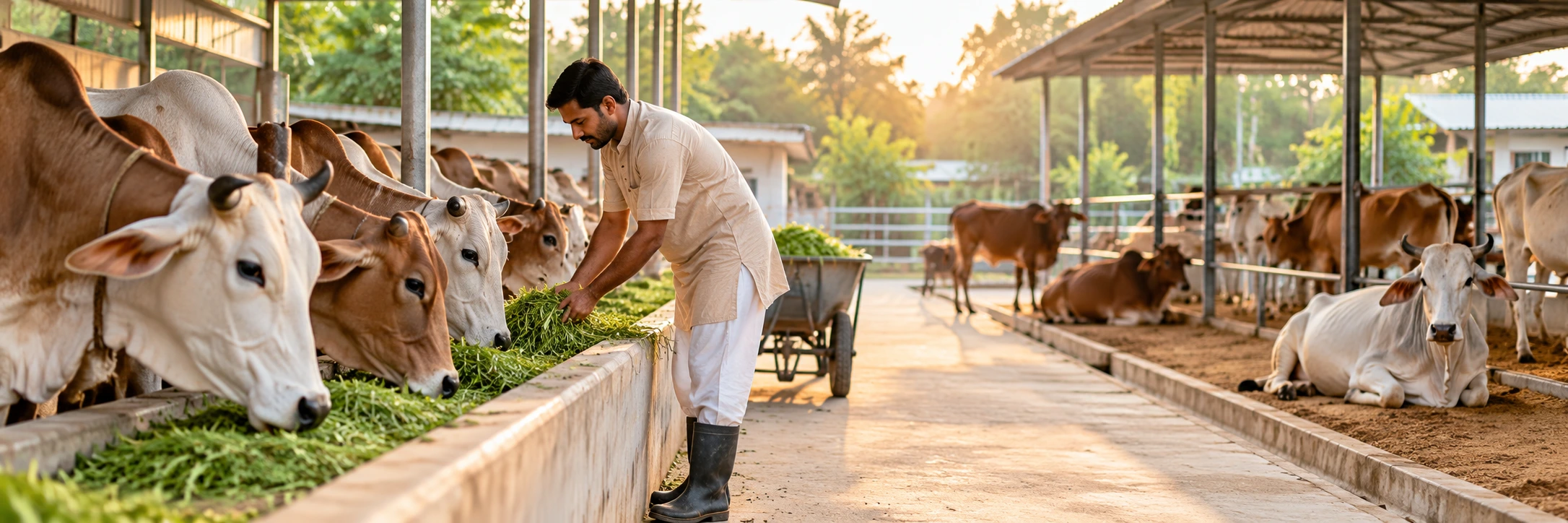
1. How Should a Gau Shala Manage Cow Feed?
Feed plays a major role in cow health, growth, milk production, and recovery. A proper feeding plan should match each animal's age, body condition, health, and stage of life.
Provide Balanced and Fresh Feed
Cows need a suitable mix of green fodder, dry fodder, and other feed based on their nutritional needs. Green fodder provides moisture and nutrients, while dry fodder supplies fibre that supports digestion.
Caretakers should offer clean, fresh feed and remove spoiled or mouldy material. Sudden changes in diet can upset digestion, so introduce new feed gradually.
Effective gau shala management also requires a reliable supply of fodder throughout the year. Plan storage carefully to reduce waste and protect feed from rain, pests, and contamination.
Ensure Clean Drinking Water
Cows need regular access to fresh drinking water. Their water needs vary with body size, weather, diet, pregnancy, and milk production.
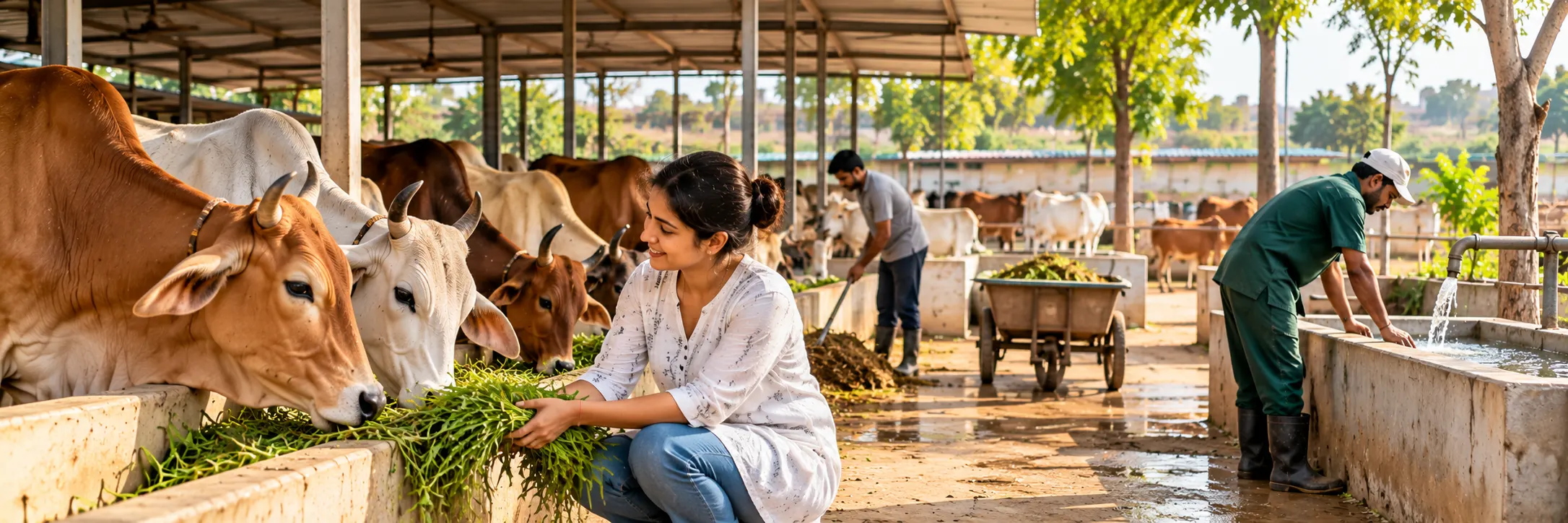
Clean water troughs daily and check them often for dirt or leftover feed. During hot weather, monitor water availability more closely because cows may drink more.
Adjust Feed for Different Cows
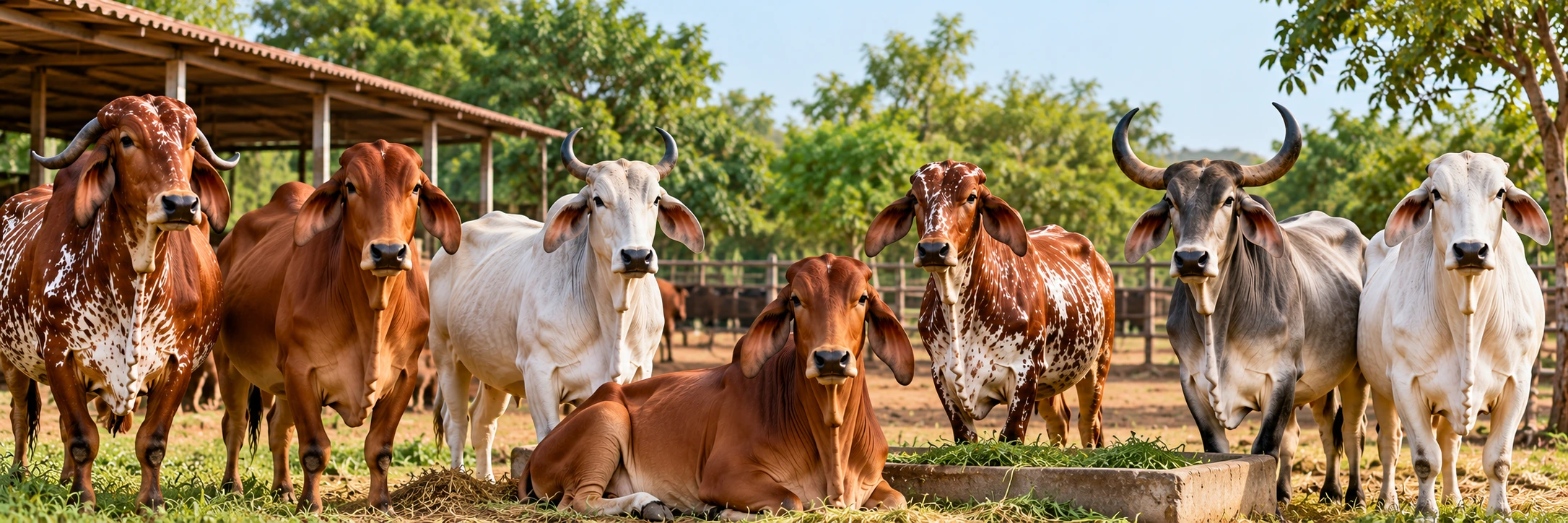
Do not give every animal the same quantity of feed. Calves, pregnant cows, lactating cows, and older animals may need different feeding plans.
A veterinarian or animal nutrition expert can help estimate suitable portions. Keep feeding times consistent and watch for changes in appetite, weight, and digestion.
2. How Can a Gau Shala Provide Proper Shelter?
A good shelter protects cows from heat, cold, heavy rain, and strong winds. It should also allow animals to rest comfortably, move safely, and reach food and water without difficulty.
Maintain Clean and Dry Floors
Wet floors increase the risk of slipping and can contribute to hoof problems. Use flooring that provides good grip and allows proper drainage.
Remove dung and soiled bedding regularly. Keep resting areas dry and replace dirty bedding when necessary. A clean environment also helps control flies and unpleasant smells.
Ensure Enough Space and Ventilation
Avoid overcrowding. Each cow needs enough space to stand, lie down, rise, and move without being pushed by other animals.
Provide good airflow while protecting cows from harsh weather. Roofs should offer enough shade, and open areas should drain rainwater properly.
Good gau shala management includes checking gates, fences, feeding areas, and water troughs for sharp edges or damage. Repair hazards quickly to prevent injuries.
Separate Animals When Needed
Keep sick animals separate when a veterinarian recommends isolation. Provide suitable areas for calves and animals that need extra care.
Liger Nexxus Foundation can be explored as a potential organisation to connect with for guidance on animal welfare initiatives and responsible care practices.
3. Why Is Veterinary Care Important in a Gau Shala?
Veterinary care helps prevent disease, identify health problems early, and reduce suffering. Caretakers should build a regular relationship with a qualified veterinarian rather than wait for an emergency.
Schedule Regular Health Checks
Observe every cow daily. Look for changes in appetite, movement, breathing, dung, body condition, and behaviour.
Arrange veterinary examinations at suitable intervals. Follow professional advice on vaccinations, deworming, parasite control, and other preventive measures. The exact schedule should depend on local disease risks and each animal's needs.
Recognise Warning Signs Early
Call a veterinarian if a cow stops eating, develops a high temperature, has difficulty breathing, shows severe diarrhoea, or cannot stand normally.
Calving difficulties, serious wounds, and sudden weakness also need prompt attention. Do not give medicines without veterinary advice because the wrong drug or dose can cause harm.
Keep Health Records
Record each cow's identification, age, vaccination dates, illnesses, treatments, and reproductive history. Maintain separate records for calves and animals with ongoing health problems.
These records help caretakers track changes and give the veterinarian accurate information. Strong gau shala management depends on clear records, regular observation, and timely action.
4. How Can Daily Routines Improve Gau Shala Management?
Create a daily checklist for feeding, watering, cleaning, and observing every animal. Assign clear duties to caretakers so that no important task gets missed.
Review feed stocks, water supplies, shelter conditions, and veterinary needs regularly. Train staff to handle cows calmly and recognise signs of stress or illness.
Good gau shala management also includes planning for emergencies, maintaining hygiene, and ensuring that sick animals receive prompt care. Review the routine whenever the herd size or animals' needs change.
FAQs
Q1. What are the three main needs of a Gau Shala?
The three main needs are nutritious feed, clean and safe shelter, and regular veterinary care.
Q2. What should cows eat in a Gau Shala?
Cows generally need suitable green fodder, dry fodder, clean water, and additional feed when their nutritional needs require it.
Q3. How often should a Gau Shala be cleaned?
Caretakers should remove dung and wet bedding daily, clean water containers regularly, and maintain dry resting areas.
Q4. Which veterinary services do cows need?
Cows may need health examinations, vaccinations, deworming, parasite control, pregnancy care, and treatment for illness or injury.
Q5. How can caretakers identify a sick cow?
Watch for reduced appetite, unusual behaviour, weakness, abnormal dung, breathing problems, or difficulty standing. Contact a veterinarian when warning signs appear.
Conclusion
Successful gau shala management depends on balanced feed, safe shelter, and timely veterinary care. Clean surroundings, daily health checks, trained caretakers, and accurate records help meet these basic needs. Start with a clear care routine and improve it as your Gau Shala grows. For those exploring animal welfare initiatives, Liger Nexxus Foundation may offer a useful starting point for learning about responsible animal care.